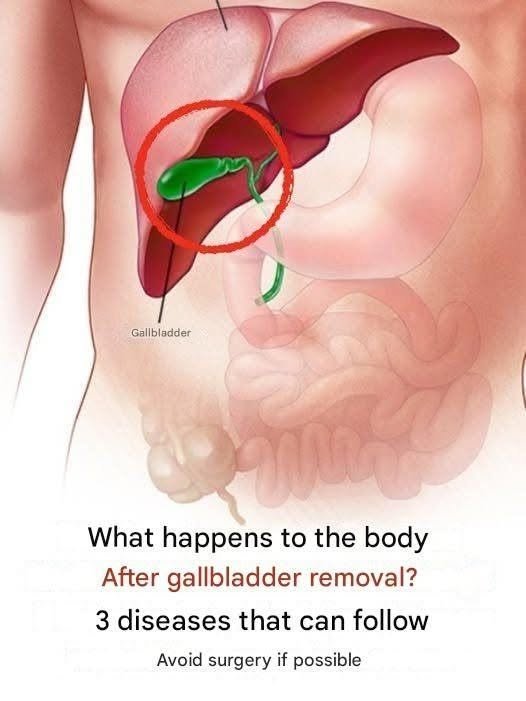
After gallbladder removal (cholecystectomy), the body must adjust to the continuous drip of bile from the liver into the small intestine, rather than storing and concentrating it in the gallbladder. While most people adapt well, three possible complications include:
-
Post-cholecystectomy diarrhea – Without a gallbladder to store bile, bile acids flow constantly into the intestine. This can irritate the colon lining, leading to chronic, watery diarrhea, often after fatty meals. It affects about 10–20% of patients.
-
Bile duct injury or leak – During surgery (especially laparoscopic), the common bile duct, hepatic duct, or cystic duct stump may be accidentally cut, burned, or clipped incorrectly. A bile leak can cause severe abdominal pain, nausea, fever, and jaundice. This is a serious complication requiring endoscopic or surgical repair.
-
Sphincter of Oddi dysfunction – The muscle that controls bile flow from the common bile duct into the intestine can become spasmodic or stenosed after surgery. This causes intermittent, sharp, right-upper-quadrant pain, elevated liver enzymes, and sometimes pancreatitis. It mimics gallstone pain but without stones.
Other less common issues include post-surgical infections, hernias at incision sites, or retained gallstones in the bile duct. Most people adjust within weeks to months, but persistent symptoms should be evaluated by a gastroenterologist.