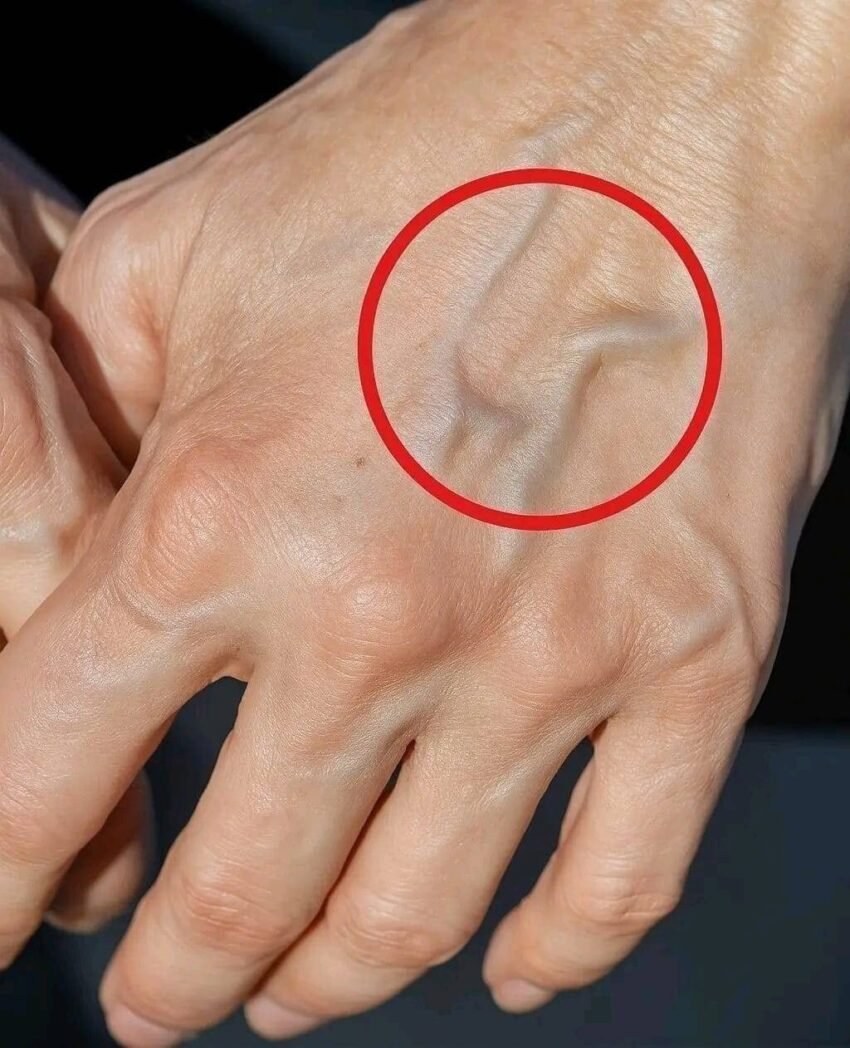
If you have visible veins, it means you are experiencing a common and typically harmless phenomenon. Visible veins are usually not a sign of a medical problem and can occur for many normal reasons. Here are some of the most common factors:
Common Reasons for Visible Veins
-
Low Body Fat: People with lower body fat percentages, especially athletes or those who are lean, often have more visible veins because there is less subcutaneous fat to obscure them.
-
Fair or Thin Skin: Individuals with light or thin skin naturally have veins that are more visible near the surface.
-
Genetics: The prominence of veins often runs in families.
-
Exercise: Physical activity increases blood flow and can cause veins to temporarily become more prominent, especially in the arms and legs.
-
Age: As skin ages, it loses collagen and thins, making underlying veins more visible.
-
Heat Exposure: Warm weather or hot showers can cause veins to dilate and become more noticeable.
-
Pregnancy: Increased blood volume and pressure from the uterus can make veins, especially in the legs, more visible.
-
Hormonal Changes: Hormonal fluctuations, such as during menstruation or menopause, can affect vein visibility.
When to Consider Seeing a Doctor
While usually benign, visible veins can sometimes indicate an underlying issue. Consult a healthcare professional if they are accompanied by:
-
Pain, swelling, or warmth in the area.
-
Veins that are hard, ropelike, or bulging (possible varicose veins).
-
Skin changes like discoloration, ulcers, or rashes near the veins.
-
Sudden appearance of many new visible veins.
-
Family history of vascular problems or blood clots.
In summary: If you have visible veins, it most likely means you have a common body characteristic influenced by factors like skin type, body composition, or genetics. It’s not an inherent sign of health or illness on its own. If you have any concerns or accompanying symptoms, a doctor can provide a proper evaluation.