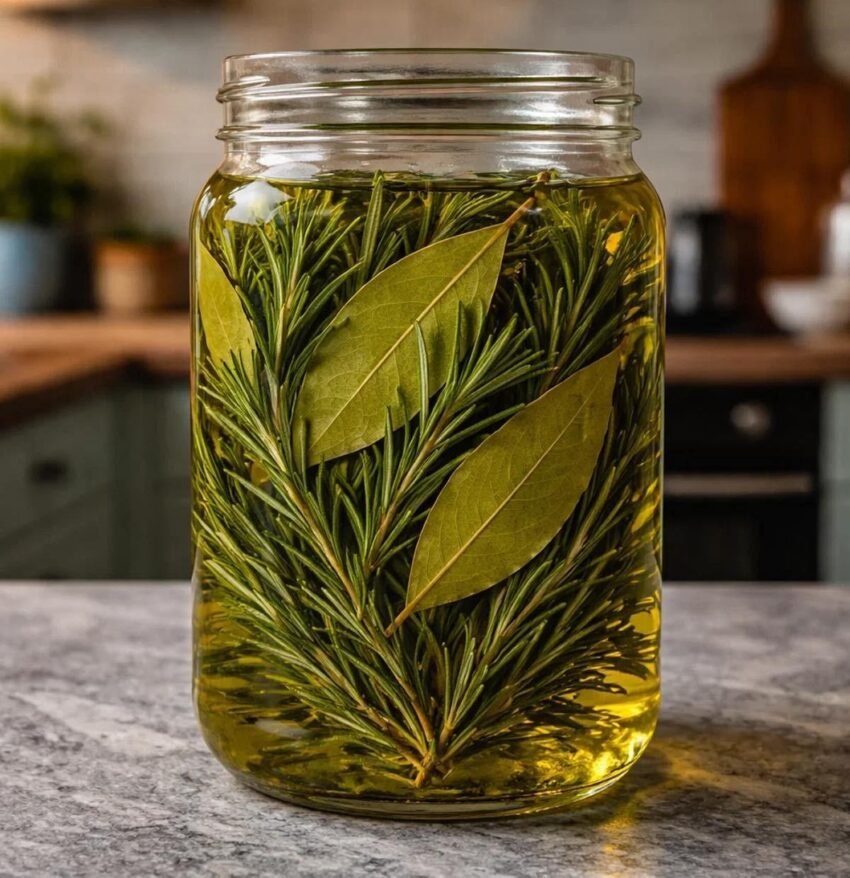
Rosemary-infused olive oil is a flavorful, aromatic, and versatile staple in any kitchen, with potential uses beyond cooking. Here’s a complete guide on how to make it safely, use it, and store it.
How to Make Rosemary-Infused Olive Oil (Two Methods)
The key to safety is managing moisture. Botulism (Clostridium botulinum) bacteria can grow in the anaerobic, low-acid environment of oil if any water is present from fresh herbs. Here are safe methods.
1. The Cold-Infusion / Room-Temp Method (Simplest & Safest for Short-Term Use)
This method avoids heat and preserves delicate flavors.
-
Ingredients: Fresh rosemary sprigs, high-quality extra virgin olive oil.
-
Instructions:
-
Dry the rosemary THOROUGHLY. Wash and pat completely dry with paper towels. Let air-dry for several hours or use a salad spinner. Any water = risk.
-
Lightly bruise the rosemary sprigs with a muddler or the back of a knife to release oils.
-
Place them in a clean, dry glass bottle or jar.
-
Completely cover with olive oil, ensuring no herb is exposed to air.
-
Seal and store in a cool, dark place (like a pantry) for 3-7 days to infuse.
-
For best quality and safety, refrigerate after infusion and use within 2-3 weeks.
-
2. The Heated / Quick-Infusion Method (More Flavor, Still Safe)
Heat speeds up infusion and further reduces any microbial risk, but don’t boil the oil.
-
Instructions:
-
Gently warm 1-2 cups of olive oil in a saucepan over very low heat.
-
Add 2-3 dried or completely dried fresh rosemary sprigs.
-
Heat until small bubbles form (around 120-140°F / 50-60°C), do not simmer or fry. Maintain this temp for 5-10 minutes.
-
Remove from heat, let cool completely.
-
Strain into a clean, dry bottle. Refrigerate and use within 1 month.
-
⭐️ Important Safety Note: Botulism Prevention
-
NEVER use fresh, damp herbs in oil and store it at room temperature long-term. The only way to safely store fresh-herb-infused oils is in the refrigerator for short periods.
-
For long-term, shelf-stable infused oils, you must acidify the herbs or use dried herbs and a proper canning method. When in doubt, refrigerate.
How to Use Rosemary-Infused Olive Oil
In the Kitchen:
-
Finishing Oil: Drizzle over roasted vegetables (potatoes, carrots), grilled meats (lamb, chicken), or soups (tomato, lentil).
-
Bread Dipping: Mix with balsamic vinegar, salt, and pepper for a gourmet dip.
-
Marinades & Salad Dressings: Use as the oil base for marinades or vinaigrettes.
-
Roasting & Sautéing: Cook with it for an aromatic base.
Beyond Cooking:
-
Hair & Scalp Treatment: Massage a small amount into the scalp as a pre-shampoo treatment. Rosemary oil is traditionally believed to stimulate circulation. (Do a patch test first!) Rinse thoroughly.
-
Aromatic Massage Oil: Diluted with a carrier oil, it can be used for a soothing, fragrant massage.
Storage & Shelf Life
-
Refrigerator: Best practice. Store in a sealed glass bottle. It will solidify when cold; let it sit at room temp for 15 minutes before use. Use within 1 month for peak flavor and safety.
-
Pantry (Cool & Dark): Only if made with completely dried herbs using a heated method and properly sealed. Even then, use within 2-3 weeks and check for any off smells, cloudiness, or bubbles.
Flavor Pairings & Variations
Rosemary pairs beautifully with:
-
Other Herbs: Thyme, sage, oregano, bay leaf.
-
Aromatics: Garlic (safety warning: always use dried or roasted garlic for infusion), lemon peel (dried), peppercorns, red chili flakes.
To make a blend: Add a few sprigs of thyme and a couple of dried bay leaves to the rosemary for a classic Herbes de Provence-style oil.
Bottom Line
Rosemary-infused olive oil is easy to make and elevates simple dishes. Prioritize safety by ensuring all ingredients are dry and storing it in the refrigerator. Enjoy it as a quick gourmet touch for your meals.