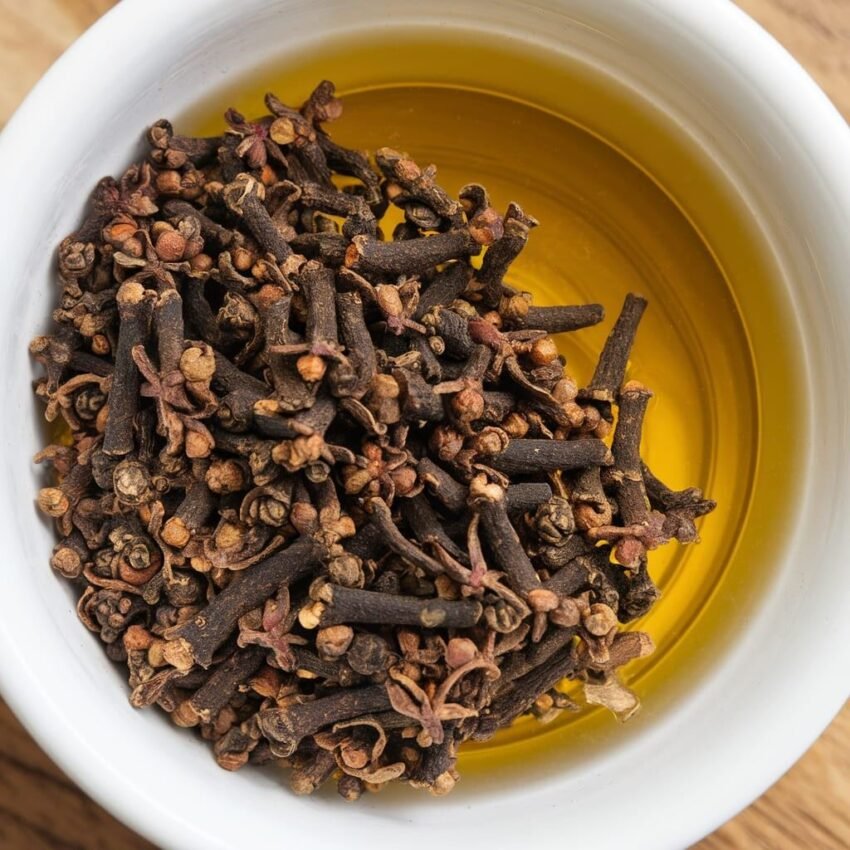
The combination of baby oil and cloves is a popular DIY skincare trend, but it comes with significant risks and caveats. While both ingredients have potential skin benefits, they are not a universally recommended “natural duo” for glowing skin. Here’s a detailed, science-based breakdown to help you decide if it’s right for you.
The Claimed Benefits (The “Why” People Use It)
-
Baby Oil (Mineral Oil):
-
Function: It’s an occlusive moisturizer. This means it forms a protective barrier on the skin’s surface, preventing water loss. It does not penetrate deeply to “nourish” but is excellent at locking in existing moisture.
-
Pro: Very effective at making skin feel soft and smooth temporarily. Hypoallergenic and non-comedogenic for many people (but not all).
-
-
Clove Essential Oil:
-
Function: It’s prized for its antimicrobial, antifungal, and antioxidant properties, primarily due to its high concentration of eugenol.
-
Pro: In highly diluted, professional formulations, it can help combat acne-causing bacteria and provide antioxidant support.
-
The Significant Risks & Downsides
⚠️ This is the most important section.
-
Clove Oil is EXTREMELY POTENT and IRRITATING.
-
Eugenol is a strong sensitizer. Undiluted or improperly diluted clove oil can cause:
-
Chemical burns, redness, and severe irritation.
-
Contact dermatitis (an allergic rash).
-
Increased photosensitivity, making your skin more prone to sun damage.
-
-
Safe Dilution: For facial use, clove oil should never exceed a 0.5-1% dilution in a carrier oil. That’s 1-2 drops per tablespoon (15ml) of carrier oil. Most DIY recipes dangerously exceed this.
-
-
Baby Oil Can Be Comedogenic for Some.
-
While mineral oil is generally considered safe, it is a heavy occlusive. For people with acne-prone, oily, or fungal-acne (malassezia) prone skin, it can trap sweat, bacteria, and dead skin cells, potentially leading to clogged pores and breakouts.
-
-
It’s Not a “Glow” Solution for Everyone.
-
The “glow” is likely from the occlusive sheen of the baby oil. This combo does not contain chemical exfoliants (AHAs/BHAs) or proven brighteners (like Vitamin C or Niacinamide) that genuinely improve skin texture and tone over time.
-
A MUCH Safer Way to Use This Duo
If you still wish to try it, do this instead:
As a Targeted Treatment (NOT an all-over facial serum):
-
Patch Test: Mix 1 drop of clove essential oil into 1 tablespoon of baby oil. Apply a dab to the inside of your elbow. Wait 24 hours for any reaction.
-
Use Sparingly: Only use the mixture as a spot treatment on active pimples (not all over your face) for 10-15 minutes, then rinse off. Do not leave it on overnight.
-
For Feet & Elbows: It’s safer to use on tough, calloused skin like heels or elbows, where the skin is thicker. Mix 2-3 drops of clove oil into 2 tablespoons of baby oil, massage in, and wear socks overnight.
Better, Safer Alternatives for “Glowing Skin”
For a true, healthy glow, consider these proven ingredients:
-
For Hydration & Barrier Support: Use pure squalane oil or rosehip seed oil. They are lightweight, nourishing, and less likely to clog pores.
-
For Antioxidant & Brightening Benefits: Use a serum with Vitamin C, Niacinamide, or Licorice Root Extract. These are formulated at safe, effective concentrations.
-
For a Safe “Occlusive” Final Step: After your serum and moisturizer, you can pat a tiny amount of pure baby oil or, better yet, petroleum jelly on extra-dry areas to seal in moisture.
The Bottom Line:
While baby oil and cloves have individual properties, combining them for facial skincare is high-risk for minimal proven benefit. The irritation potential from clove oil far outweighs any likely glow for most people. Achieving glowing skin is best done through: a consistent routine with a gentle cleanser, proven actives (like Vitamin C), a good moisturizer, and daily sunscreen. If you have specific skin concerns, consulting a dermatologist is always the safest and most effective path.