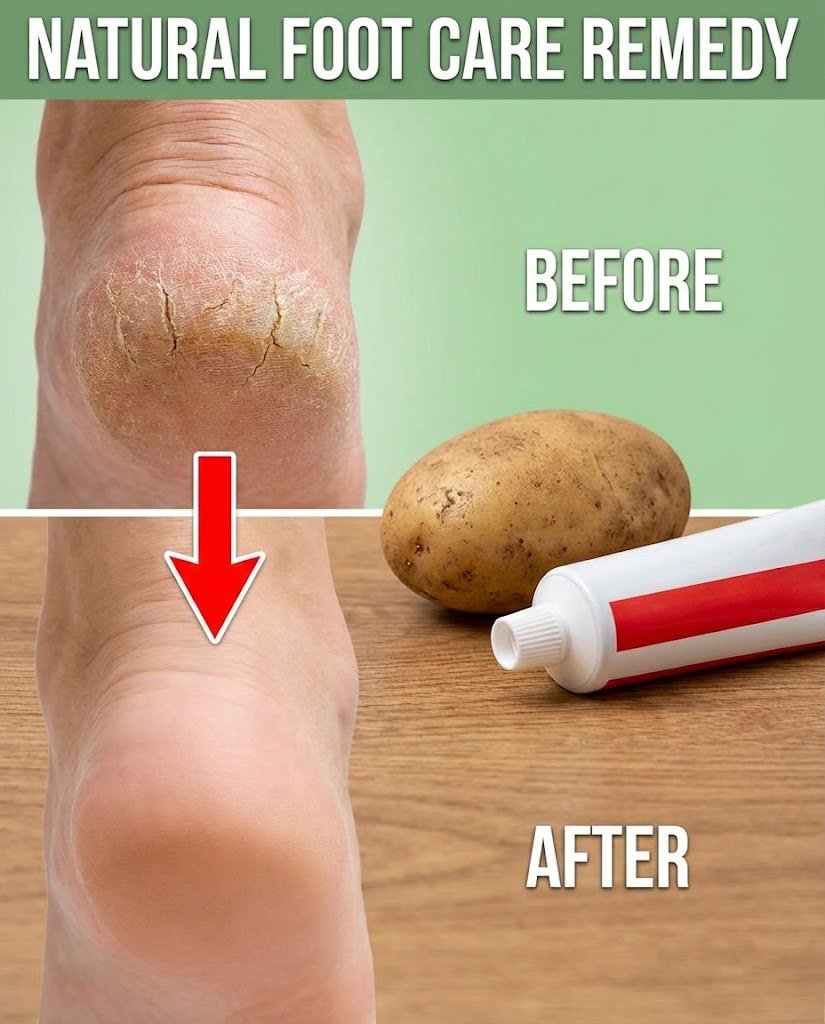
Absolutely. Cracked heels (medically called heel fissures) are a common problem caused by dryness, pressure, and often underlying factors. Achieving smooth, healthy feet is a process, not an overnight fix. Here’s a comprehensive, step-by-step guide based on dermatologist recommendations.
Phase 1: The Immediate Repair (Evening Routine)
This is the most important phase. Consistency for 1-2 weeks will show dramatic results.
-
Soak (10-15 minutes): Fill a basin with warm (not hot) water. You can add:
-
A few tablespoons of white vinegar (helps soften dead skin and has mild antifungal properties).
-
A cup of Epsom salts (soothes and softens).
-
A few drops of mild soap.
-
-
Exfoliate Gently (2-3 times a week): After soaking, use a pumice stone or foot file.
-
Method: Rub in one direction, not back-and-forth, with moderate pressure. Focus on damp, softened skin. Never use a razor or sharp blade—this risks deep cuts and infection.
-
-
Pat Dry & Apply a Heavy-Duty Moisturizer: This is non-negotiable.
-
Key Ingredients to Look For: Urea (10-25%), Lactic Acid, Salicylic Acid, or Glycerin. Urea is a gold standard—it’s a keratolytic that breaks down the hard, dead skin.
-
Effective & Cheap Option: Generously apply a thick layer of petroleum jelly (Vaseline) or healing ointment (like CeraVe Healing Ointment). It creates an impermeable barrier that locks in moisture.
-
-
Occlude (The Secret Step): Slip on a pair of clean, cotton socks immediately after applying the moisturizer.
-
Why it works: The socks trap the moisture and heat, allowing the cream to penetrate deeply overnight. This is the single most effective trick.
-
Phase 2: Daytime & Lifestyle Maintenance
-
Daily Moisturizer: Every morning, apply a lighter, fast-absorbing foot cream or lotion.
-
Protect the Skin: Avoid walking barefoot, especially on hard surfaces. Wear supportive, well-fitting shoes with a closed back.
-
Stay Hydrated: Drink plenty of water. Dehydration shows quickly in your skin.
-
Use Supportive Insoles: If you have flat feet or high arches, supportive insoles can reduce pressure on the heels, preventing cracks from forming.
Phase 3: Addressing “White” Feet & Long-Term Care
The goal is healthy skin, not artificially “white” skin, which often comes from harsh bleaches or acids that damage the skin barrier.
-
For Stains/Yellowing: Gently exfoliate and use a paste of baking soda and lemon juice (use sparingly, as lemon can be drying) for a few minutes before your soak, then rinse well.
-
For Even Tone: Consistent exfoliation and moisturizing will naturally reveal fresher, brighter skin over time.
-
Sun Protection: Yes, on the tops of your feet! This prevents dark spots and sun damage.
⚠️ When to See a Doctor or Podiatrist:
-
Cracks are deep, painful, or bleeding.
-
Signs of infection (redness, swelling, heat, pus).
-
You have diabetes or poor circulation—foot care is critical and requires professional guidance.
-
The cracks don’t improve with consistent home care after 2-3 weeks.
Sample Weekly Routine
| Day | Routine |
|---|---|
| Monday, Wednesday, Friday | Soak → Pumice → Heavy Cream + Socks (Repair Night) |
| Tuesday, Thursday, Saturday | Quick shower → Light lotion (Maintenance) |
| Sunday | Extended pampering: Longer soak, extra exfoliation, foot mask under socks. |
Final Verdict: The magic formula is Consistent Moisture + Gentle Exfoliation + Occlusion (Socks). There are no instant miracles, but with disciplined care, you can have smooth, healthy, crack-free heels in a few weeks. Invest in a good urea cream and embrace the nightly socks—it’s a game-changer.