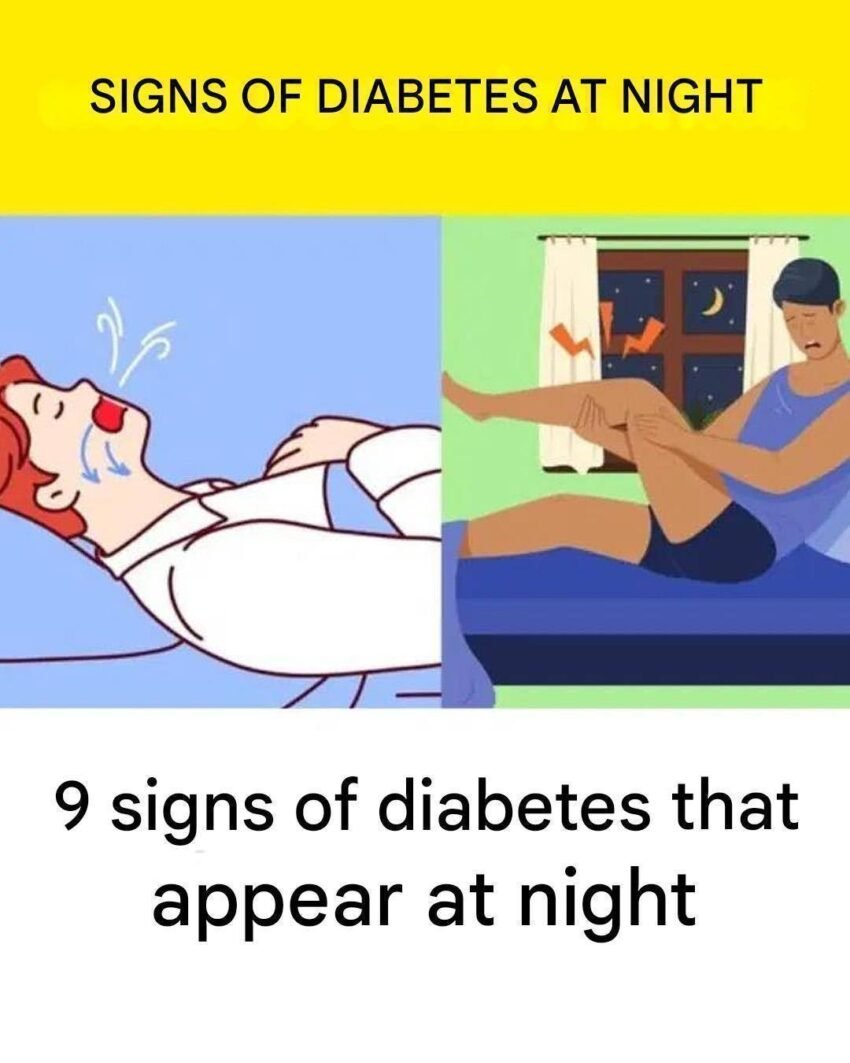
Of course. Recognizing nighttime symptoms is crucial, as they are often the body’s way of signaling that blood sugar has been high all day. Here are 9 signs of diabetes (both type 1 and type 2) that commonly appear or worsen at night, based on physiological mechanisms.
1. Frequent Urination (Nocturia)
-
What it feels like: Waking up multiple times during the night with an urgent need to urinate.
-
Why it happens: Excess glucose in the blood pulls fluids from tissues and overloads the kidneys. The kidneys work overtime to filter and absorb the extra sugar, leading to increased urine production.
2. Excessive Thirst (Polydipsia)
-
What it feels like: Waking up parched, needing to drink large amounts of water, often alongside nocturia.
-
Why it happens: Frequent urination leads to dehydration, triggering intense thirst. It’s a cycle: high blood sugar → urination → thirst → drinking more → more urination.
3. Nighttime Hunger (Polyphagia)
-
What it feels like: Waking up feeling ravenously hungry, even after a full dinner.
-
Why it happens: The body’s cells aren’t getting glucose (due to insulin resistance or lack of insulin), so they signal an energy crisis to the brain, which interprets it as hunger.
4. Numbness, Tingling, or Burning in Hands/Feet
-
What it feels like: Pins-and-needles sensation, aching, or burning pain, often most noticeable when trying to relax or sleep.
-
Why it happens: Chronically high blood sugar can damage nerves and small blood vessels, a condition called diabetic neuropathy. The quiet of the night makes these sensations more prominent.
5. Restless Legs Syndrome (RLS)
-
What it feels like: An irresistible urge to move the legs, accompanied by uncomfortable crawling or creeping sensations, relieved only by movement.
-
Why it happens: Diabetes (and the associated neuropathy and mineral imbalances) is a known risk factor for RLS, which peaks during periods of rest and inactivity.
6. Night Sweats
-
What it feels like: Waking up drenched in sweat, with damp sheets and pajamas, unrelated to room temperature.
-
Why it happens: This can occur during nocturnal hypoglycemia (low blood sugar at night), especially in people taking insulin or certain medications. The body releases stress hormones (like adrenaline) to raise blood sugar, causing sweating. It can also happen as the body tries to expel excess glucose through sweat.
7. Dry Mouth
-
What it feels like: A sticky, cotton-like feeling in the mouth upon waking.
-
Why it happens: High blood sugar and dehydration from frequent urination reduce saliva production. Dry mouth also increases the risk of gum disease and cavities.
8. Unexplained Weight Loss (More common in Type 1)
-
What it is: Losing weight without trying, which may become noticeable over time.
-
Why it happens: Without insulin to shuttle glucose into cells, the body starts breaking down muscle and fat for energy, leading to weight loss even with adequate or increased food intake.
9. Fatigue and Morning Headaches
-
What it feels like: Waking up feeling exhausted, groggy, and unrefreshed, often with a headache.
-
Why it happens: This results from a combination of factors: poor sleep quality from frequent bathroom trips, the body working hard to process excess sugar, and potential dehydration or blood sugar fluctuations overnight.
What to Do If You Notice These Signs
-
Do Not Ignore Them. These are your body’s alarms. Persistent symptoms require medical evaluation.
-
Schedule an Appointment with Your Doctor. A simple fasting blood glucose test or HbA1c test can diagnose diabetes or prediabetes.
-
Keep a Symptom Log. Note what you’re experiencing, how often, and any related factors (like what you ate for dinner).
-
Prioritize Evening Habits: Avoid large, carbohydrate-heavy meals late at night, stay hydrated earlier in the day, and establish a relaxing bedtime routine.
Early diagnosis and management are critical to prevent serious long-term complications like heart disease, vision loss, kidney failure, and severe nerve damage. If you experience several of these signs regularly, please seek professional medical advice.