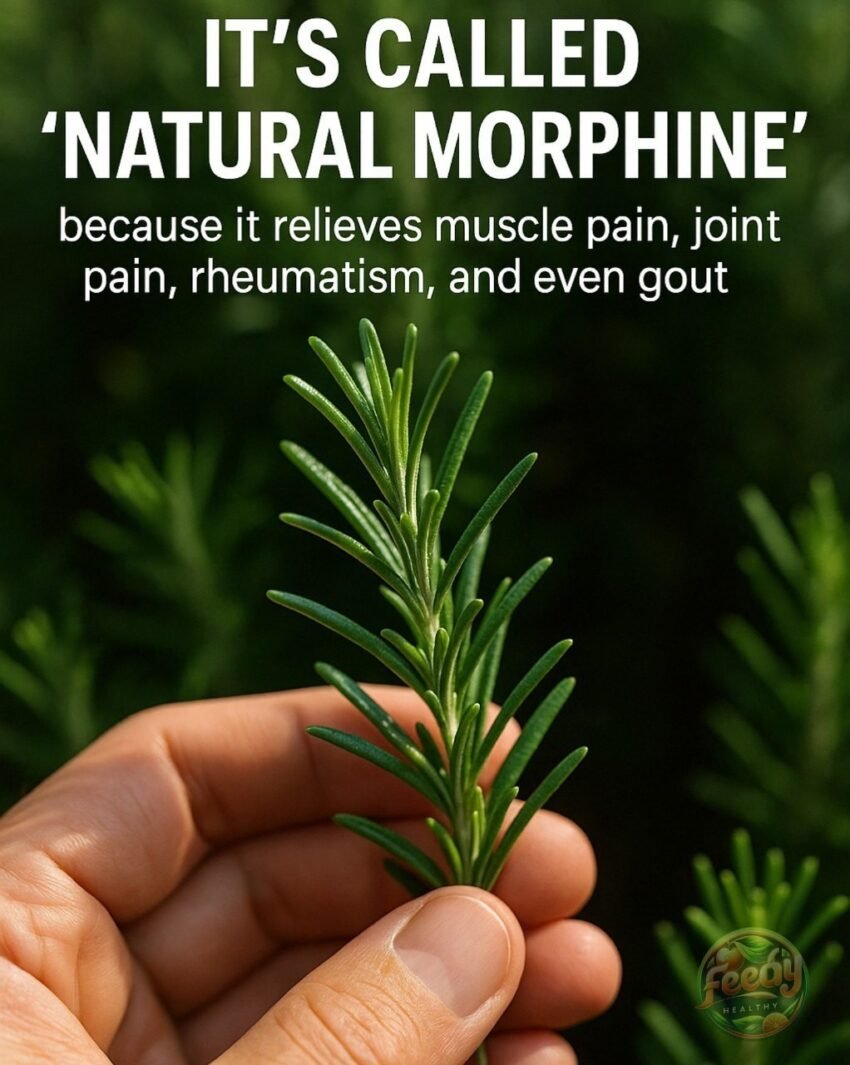
“The ‘natural morphine'” typically refers to compounds found in nature that have morphine-like pain-relieving properties. The most well-known is morphine itself, which is directly derived from the opium poppy (Papaver somniferum). However, several other natural and semi-synthetic substances are closely related.
1. Opium Alkaloids (Directly from the Poppy)
These are the classic, naturally occurring opioids in the opium poppy:
-
Morphine: The prototype opioid analgesic, named after Morpheus, the Greek god of dreams. It’s extracted directly from the dried latex of the poppy.
-
Codeine: Also found naturally, but usually in much lower concentrations. It’s a prodrug, meaning the body converts it into morphine to provide its effects.
-
Thebaine: Not used for pain relief itself but is the chemical starting point for synthesizing many other opioids (like oxycodone and hydrocodone).
2. Endogenous Opioids (Produced by Your Body)
Your body produces its own “natural morphine” to modulate pain and pleasure. These are neurotransmitters that bind to the same opioid receptors:
-
Endorphins: Famous for “runner’s high,” they are released during exercise, stress, pain, and pleasure.
-
Enkephalins & Dynorphins: Other types of endogenous opioids with varying functions in pain and mood regulation.
3. Other Plants with Opioid-like Compounds
A few other plants contain substances that interact with opioid receptors:
-
Kratom (Mitragyna speciosa): Its leaves contain mitragynine and 7-hydroxymitragynine, alkaloids that act on opioid receptors. It is used traditionally in Southeast Asia for pain, energy, and opioid withdrawal, but its safety and legality are highly controversial and vary by region.
-
Salvia (Salvia divinorum): Contains salvinorin A, a potent kappa-opioid receptor agonist. Its effects are intense, dysphoric, and hallucinogenic—not used for pain relief in any traditional medical sense.
-
Corydalis Yanhusuo: A traditional Chinese herb containing tetrahydropalmatine (THP), which has analgesic and sedative effects via dopamine and possibly opioid pathways.
⚠️ Critical Warnings:
-
Addiction & Danger: Natural does not mean safe. Morphine and its relatives are highly addictive and carry risks of respiratory depression, overdose, and death. The current opioid crisis is rooted in these substances.
-
Legal Status: Most classic opioids are strictly controlled substances (Schedule II in the U.S.) available only by prescription. Kratom is banned in many countries and several U.S. states.
-
Do Not Self-Medicate: Attempting to use poppy seeds, kratom, or other plants for pain is extremely risky due to unpredictable potency, contamination, and lack of medical supervision.
Legitimate Medical Use
In a controlled medical setting, natural opioid alkaloids like morphine and codeine are invaluable for:
-
Severe acute pain (post-surgery, major injury)
-
Chronic pain from conditions like cancer
-
Palliative and end-of-life care
Bottom Line: While “natural morphine” exists in the opium poppy and even within our own bodies, it is a potent and double-edged sword. Its medical value is immense when used responsibly under strict supervision, but its potential for misuse and harm is equally great. Never attempt to source or use natural opioids outside of a legitimate medical prescription. For pain management, always consult a healthcare professional to explore the full range of options, which include many non-opioid therapies.