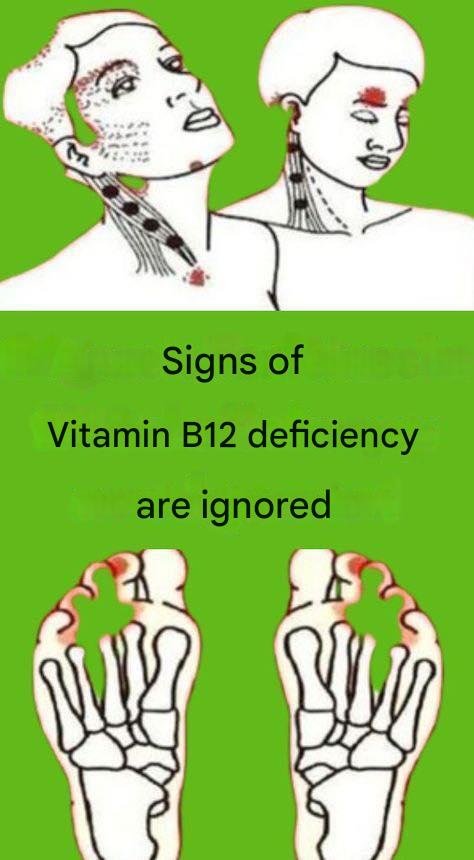
Signs of vitamin B12 deficiency are frequently ignored or mistaken for other conditions, often for years. This is a major public health issue, especially for older adults, vegetarians/vegans, and people with certain gut disorders.
Here’s a breakdown of why they are ignored and what signs to watch for.
Why B12 Deficiency Signs Are Overlooked
-
Slow and Insidious Onset: Symptoms appear gradually over months or years. People often adapt or chalk it up to “just getting older” or “being stressed.”
-
Non-Specific Symptoms: The early signs are vague and common to many other conditions:
-
Fatigue and lack of energy
-
“Brain fog,” memory lapses, difficulty concentrating
-
Mood changes, depression, or irritability
-
-
Attributed to More Common Conditions: Doctors may first suspect:
-
Depression or anxiety
-
Hypothyroidism
-
Normal aging or early dementia
-
Chronic fatigue syndrome
-
Anemia (from iron deficiency)
-
-
Misleading Blood Tests: Standard blood tests might show normal B12 levels, but the active B12 (holotranscobalamin) or elevated methylmalonic acid (MMA) and homocysteine are needed for a true diagnosis. Many deficiencies are missed with routine screening.
-
Lack of Awareness: Both the public and some healthcare providers underestimate how common B12 deficiency is, especially in non-vegetarians.
The Signs & Symptoms That Should NOT Be Ignored
Symptoms progress from mild to neurological if untreated. The neurological damage can become permanent.
Early/Common Signs:
-
Extreme fatigue and lack of energy
-
Pins and needles, tingling, or numbness in hands and feet (a MAJOR red flag)
-
Sore, red tongue (glossitis)
-
Mouth ulcers
-
Muscle weakness
-
Vision disturbances
-
Mood changes: depression, irritability
-
Memory problems, poor concentration, “brain fog”
Advanced/Neurological Signs (INDICATE URGENT NEED FOR TREATMENT):
-
Severe nerve damage: Numbness and tingling that spreads, difficulty walking (ataxia), balance problems
-
Cognitive impairment: Confusion, disorientation, symptoms mimicking dementia or Alzheimer’s
-
Psychiatric symptoms: Paranoia, hallucinations, significant personality changes
-
Bladder or bowel incontinence
Physical Signs (can occur with or without anemia):
-
Pale or jaundiced (slightly yellow) skin
-
Heart palpitations and shortness of breath (from anemia)
-
Unexplained infertility or recurrent miscarriages
What to Do If You Suspect a Deficiency
-
Get the Right Tests: Don’t settle for just a standard B12 test. Request:
-
Serum B12
-
Active B12 (Holotranscobalamin)
-
Methylmalonic Acid (MMA)
-
Homocysteine
(MMA and Homocysteine are elevated in B12 deficiency)
-
-
See a Knowledgeable Doctor: Be persistent. Describe your symptoms clearly, especially any tingling or numbness. Mention your diet and any conditions (like Crohn’s, celiac, autoimmune issues) or medications (like PPIs for acid reflux or Metformin for diabetes) that increase risk.
-
Do Not Self-Treat Blindly: While over-the-counter supplements can help mild cases, a severe deficiency with neurological symptoms often requires prescription-strength injections or high-dose oral supplements to bypass absorption issues. A doctor must guide this.
-
Address the Root Cause:
-
Dietary (vegans/vegetarians): Ensure regular intake of fortified foods or supplements.
-
Pernicious Anemia (autoimmune): Lifelong B12 injections or high-dose oral therapy is required.
-
Malabsorption (gut surgery, celiac, etc.): Requires treatment of the underlying condition and likely ongoing B12 supplementation.
-
Bottom Line: If you have a cluster of these symptoms—especially fatigue combined with tingling/numbness, “brain fog,” or a sore tongue—aggressively pursue testing for B12 deficiency. It is a treatable condition, but delayed diagnosis can lead to permanent neurological damage. You are right not to ignore it.