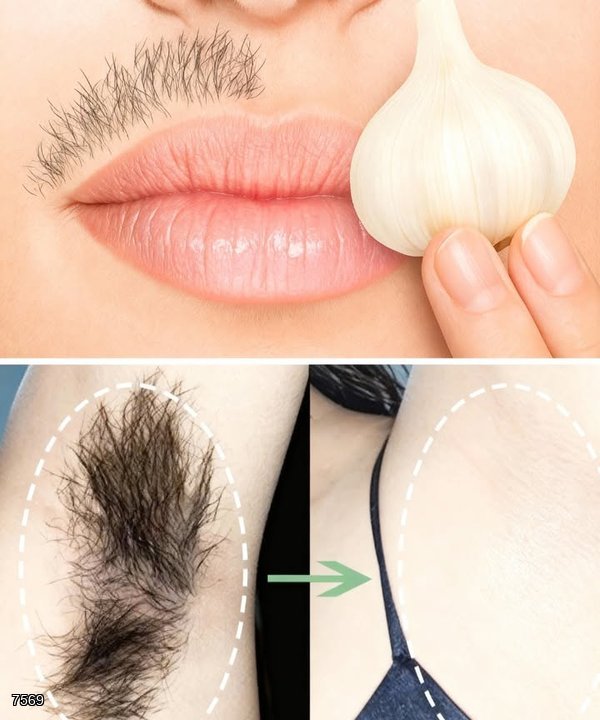
The promise of “permanently” removing hair is a complex topic that requires careful navigation, as there is a lot of misleading information online. It’s crucial to separate the truly permanent options from the temporary ones and understand the risks, costs, and suitability for different areas of the body.
Here is a clear, fact-based guide to the methods available, from most to least permanent.
Truly Permanent Options (Medical Procedures)
These are the only methods approved by bodies like the FDA for “permanent hair reduction,” meaning a significant, long-lasting reduction that may not be 100% complete for every single follicle.
-
Electrolysis
-
How it works: A trained electrologist inserts a tiny probe into each individual hair follicle and destroys it with a shortwave radio frequency (thermolysis) or a mild electrical current (galvanic).
-
Permanence: Considered the only method approved for permanent removal (not just reduction). It works on all hair and skin colors.
-
Areas: Safe for any area, including eyebrows, face, bikini line, and pubic area.
-
Downsides: Extremely time-consuming (treats one follicle at a time). Can be painful. Requires many sessions over months or years. Success depends heavily on the skill of the practitioner. Can be expensive.
-
-
Laser Hair Removal
-
How it works: A concentrated beam of light (laser) is absorbed by the pigment (melanin) in the hair. The light energy converts to heat, damaging the follicle to inhibit future growth.
-
Permanence: FDA-cleared for permanent hair reduction. It is most effective on people with light skin and dark, coarse hair (high contrast). Results are less predictable on blonde, red, grey, or very fine hair.
-
Areas: Used on legs, arms, back, chest, bikini line, and face (except too close to the eye). Caution is advised for the pubic area—only seek experienced professionals using appropriate laser types.
-
Downsides: Requires 6-8+ sessions. Can be painful (like a rubber band snap). Risk of burns, blisters, or discoloration if done improperly. Not a one-time fix; maintenance sessions may be needed.
-
Long-Lasting but NOT Permanent Options
These methods remove hair for weeks or months, but the follicle remains alive, so hair will eventually regrow.
-
Prescription Cream: Eflornithine (Vaniqa®)
-
How it works: A prescription cream that inhibits an enzyme necessary for hair growth. It slows growth but does not remove existing hair.
-
Duration: Results are seen after 4-8 weeks of use. Hair regrows normally if you stop using it.
-
Areas: FDA-approved for facial hair.
-
-
Professional Intense Pulsed Light (IPL) & At-Home Devices
-
How it works: Similar to lasers but uses broad-spectrum light. Professional IPL is strong; at-home devices are much weaker.
-
Permanence: Offers long-term reduction, not removal. Requires strict consistency and works best on the same ideal skin/hair combo as lasers. Regrowth is common over time.
-
Important Warnings & Considerations
-
Avoid “Permanent” DIY Methods: There is no safe, effective way to permanently remove hair at home. Do not attempt DIY electrolysis kits or use lasers/IPL on sensitive areas without training. Severe injury, scarring, and infection are real risks.
-
Hormonal Underpinnings: For facial hair in particular (especially in women), sudden or excessive growth can signal a hormonal condition like PCOS (Polycystic Ovary Syndrome). Consult a doctor or dermatologist first to rule out underlying issues.
-
Pubis/Pubic Area is High-Risk: The skin is highly sensitive, prone to ingrown hairs, and the area is more vulnerable to infection. Only a highly experienced medical professional should perform electrolysis or laser here. Shaving, trimming, or professional waxing are often safer first choices.
Actionable Roadmap
-
Consult a Professional: Start with a board-certified dermatologist. They can:
-
Diagnose any hormonal causes of unwanted hair.
-
Recommend the best permanent method for your skin type, hair color, and target area.
-
Provide referrals to reputable clinics or electrologists.
-
-
For Permanent Results, Choose Clinically Proven Methods:
-
For small areas, any hair/skin color: Electrolysis is your gold standard.
-
For large areas, if you have light skin & dark hair: Laser Hair Removal is the most efficient path.
-
-
Manage Expectations: “Permanent” in this context often means “significant reduction.” Be prepared for a long, costly process requiring multiple sessions and possible maintenance.
In short: The only way to permanently stop shaving is through professional medical procedures—electrolysis or laser hair removal. Everything else is a temporary reduction or removal method. Your first and safest step is a consultation with a dermatologist.