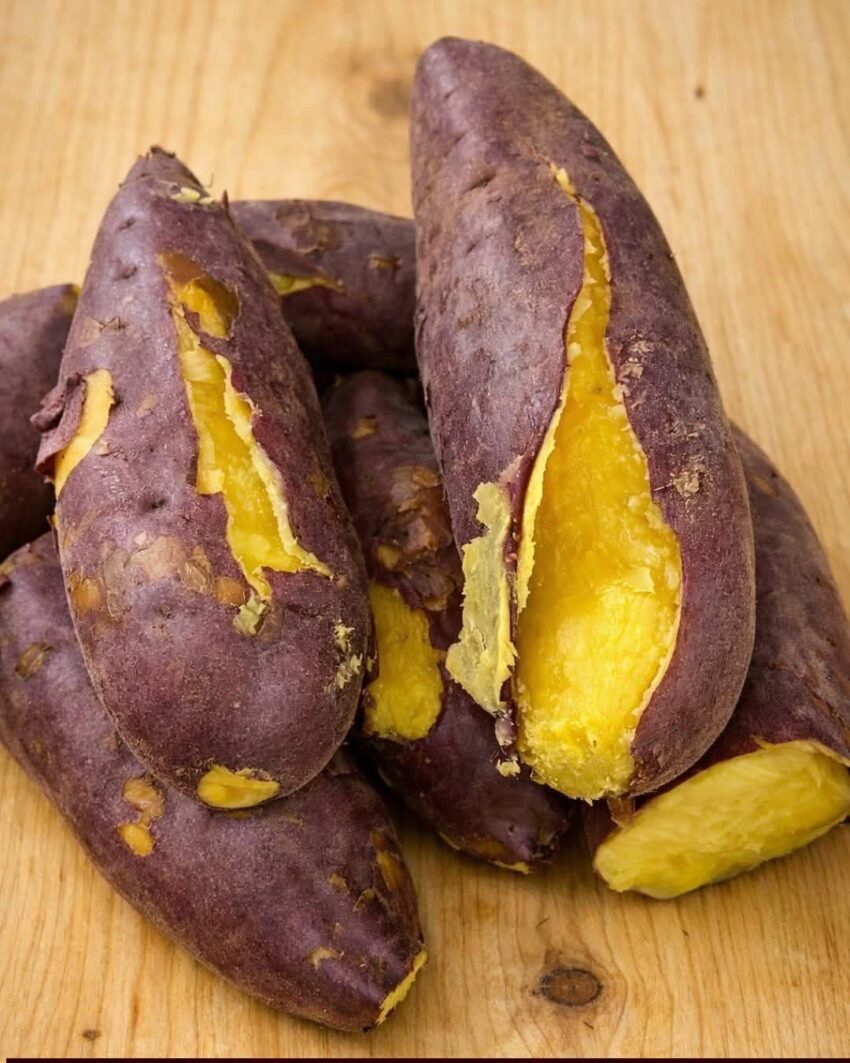
Here are 13 important facts about sweet potatoes that go beyond common knowledge, covering nutrition, cooking, selection, and potential downsides.
1. They Are Not Actually Potatoes.
They belong to the morning glory family (Convolvulaceae), while white potatoes are in the nightshade family (Solanaceae). This is why their vines are beautiful and flowering.
2. The Color Indicates Super-Nutrients.
The deep orange color comes from beta-carotene, which your body converts to vitamin A. Purple-fleshed varieties are rich in anthocyanins, the same powerful antioxidants found in blueberries, linked to improved brain and heart health.
3. They Can Help Regulate Blood Sugar—Despite Being Sweet.
They are high in fiber (especially with the skin) and have a lower glycemic index than white potatoes. The fiber slows digestion, leading to a more gradual release of sugar into the bloodstream. Pairing them with a source of healthy fat (like olive oil or avocado) or protein can help stabilize blood sugar even further.
4. The Leaves and Shoots Are Also Edible.
In many cuisines worldwide, sweet potato greens are a nutritious, spinach-like leafy green, rich in vitamins K, A, and C. They can be sautéed or added to soups.
5. Don’t Store Them in the Fridge.
Cold temperatures (below 50°F / 10°C) can alter their cell structure, leading to a hard core and unpleasant taste when cooked. Store them in a cool, dark, well-ventilated pantry (like onions).
6. The Skin Holds Half the Fiber.
Peeling them strips away a significant amount of fiber, as well as nutrients like potassium and iron. Scrub them well and eat the skin for maximum benefit.
7. They Have Natural “Anti-Freeze.”
Sweet potatoes produce “pathogenesis-related” proteins when exposed to cold. Some of these proteins are unusually sweet and are being researched for use as low-calorie sweeteners.
8. Cooking Method Drastically Affects Nutrition.
Boiling retains the low glycemic index best. Baking/roasting can cause the sugars to caramelize (delicious!) but raises the glycemic index. Steaming is a great middle ground for preserving nutrients.
9. They’re a Top Source of Potassium.
A medium sweet potato has more potassium than a banana. Potassium is crucial for heart health, nerve function, and balancing sodium in the body.
10. “Yams” in US Grocery Stores Are Usually Sweet Potatoes.
True yams (starchy, rough, brown tubers from Africa/Asia) are different. In the U.S., the term “yam” was marketed in the mid-20th century to distinguish the softer, orange varieties from the firmer, pale ones. Check the label—it likely says “sweet potato.”
11. They Can Cause… Audible Side Effects.
The high fiber and a sugar called mannitol can cause gas and bloating in some people, especially if you increase your intake suddenly. Introduce them gradually.
12. They Contain Oxalates.
For most people, this is not an issue. However, individuals prone to calcium-oxalate kidney stones may need to moderate their intake of high-oxalate foods, which include sweet potatoes.
13. The Biggest Nutritional Bang for Your Buck Comes from Variety.
Don’t just eat the orange ones. Incorporate purple, white, and Japanese (Satsuma-imo) varieties for a broader spectrum of antioxidants and phytonutrients.
Final Pro-Tip:
To maximize beta-carotene absorption, eat your sweet potatoes with a healthy fat. Drizzle with extra virgin olive oil, or add a slice of avocado to your meal. Your body needs fat to absorb this fat-soluble vitamin.