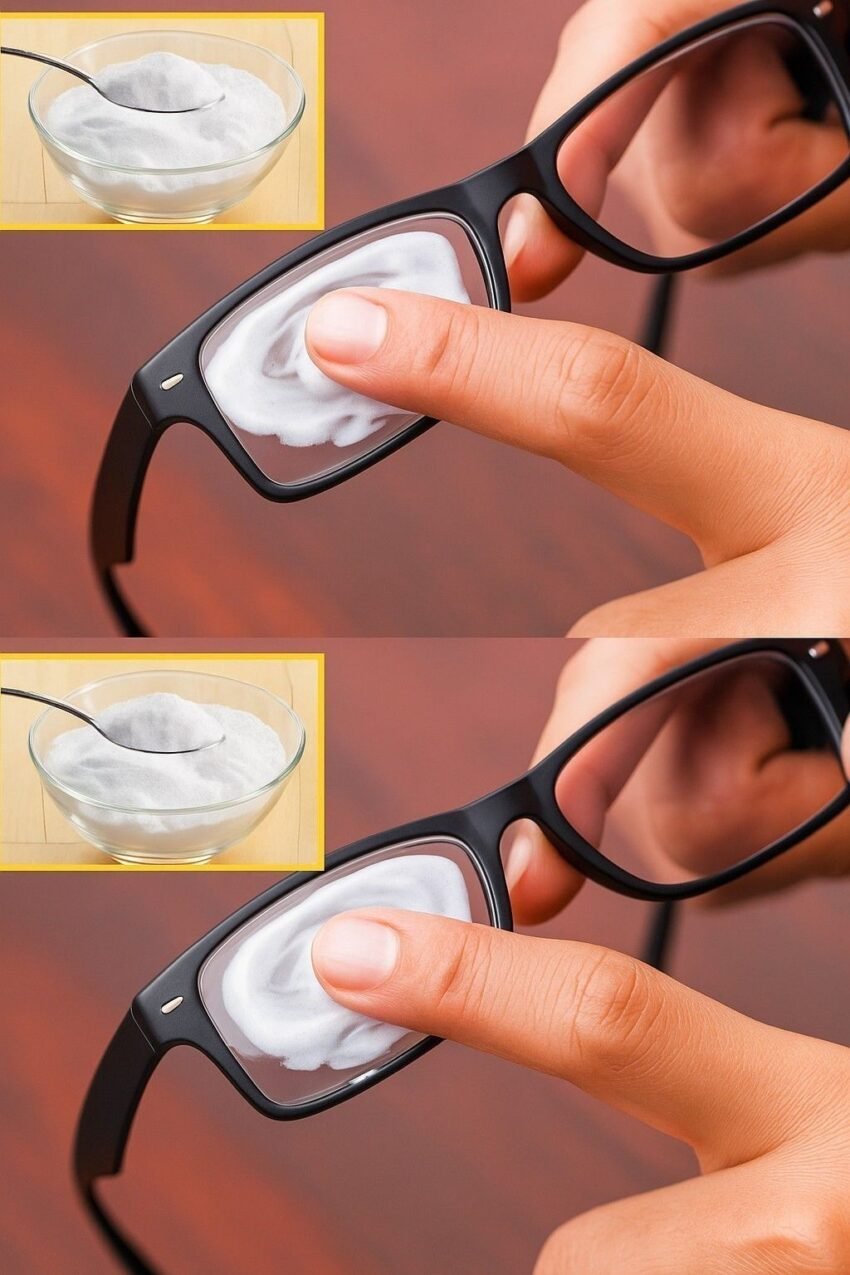
Important Note: These methods are for removing fine, superficial scratches from glass surfaces (like drinking glasses, vases, windows) and plastic lenses (like eyeglasses or sunglasses). They are not for deep gouges or scratches on anti-reflective, coated, or polarized lenses, as DIY repair can permanently damage these special coatings. For expensive prescription lenses, consult an optician first.
Here’s a guide, starting with the gentlest methods.
📝 Before You Begin: Assess the Scratch
-
Fingernail Test: Run your fingernail across the scratch.
-
If it catches, it’s likely too deep for safe DIY removal.
-
If it glides over, it’s a surface scratch that may be improved.
-
-
Location: Scratches on the edges of eyeglass lenses are less critical than those in the direct line of sight, which can distort vision.
🛡️ For PLASTIC Lenses (Eyeglasses, Sunglasses)
⚠️ WARNING: Never use these methods on lenses with anti-reflective, blue-light, or other special coatings without professional advice.
Method 1: The Toothpaste Method (Gentle Abrasive)
Best for very light scuffs.
-
Use a non-gel, non-whitening, plain white toothpaste (baking soda-based is ideal).
-
Apply a small dab to the scratched area.
-
Using a soft, lint-free cloth (microfiber), rub in small, gentle, circular motions for about 60 seconds.
-
Rinse thoroughly with cool water and dry with a clean microfiber cloth.
-
Inspect. Repeat only once if needed.
Method 2: Baking Soda Paste
A slightly more abrasive option.
-
Mix two parts baking soda with one part water to form a thick paste.
-
Apply with a soft cloth, rubbing gently in small circles for 30-60 seconds.
-
Rinse and dry completely.
Method 3: Commercial Plastic Polish (Most Effective)
Products like Novus Plastic Polish (#1 & #2) or Meguiar’s PlastX are designed for this.
-
Clean the lens thoroughly.
-
Apply a small amount of polish to a microfiber cloth.
-
Rub with moderate pressure in small circles for 1-2 minutes.
-
Buff off with a clean part of the cloth until clear.
🥂 For GLASS Surfaces (Drinking Glasses, Windows, Glass Tables)
Method 1: Baking Soda & Water (Fine Scratches)
-
Make a thick paste with baking soda and water.
-
Apply directly to the scratch with a soft, damp cloth.
-
Rub in small circles with light-to-medium pressure for 1-2 minutes.
-
Rinse and check. Repeat if necessary.
Method 2: Cerium Oxide (For Deeper Scratches)
This is the professional-grade polish used for glass.
-
Purchase cerium oxide powder and mix with water to form a creamy paste.
-
Use a low-speed rotary tool (like a Dremel) with a felt polishing wheel, or polish painstakingly by hand with a soft cloth.
-
Apply the paste and polish in small sections with light pressure. The glass will heat up—this is normal.
-
Keep it wet by misting with water. Polish until the scratch disappears.
-
Clean thoroughly with glass cleaner.
Important: Cerium oxide can create a haze if over-polished. Practice on an inconspicuous area first.
❌ What NOT To Do
-
Do NOT use abrasive household cleaners (like Comet, Soft Scrub).
-
Do NOT use paper towels or rough fabrics that can cause new micro-scratches.
-
Do NOT use acetone, ammonia, or other harsh solvents on plastic lenses.
-
Do NOT attempt to sand or use power tools without proper skill and materials.
🛠️ Prevention is Key
-
Store glasses in a hard case.
-
Clean lenses with a microfiber cloth and lens cleaner (or mild soap and water), never with your shirt or tissues.
-
Place glassware and glass objects carefully to avoid contact with abrasive surfaces.
👁️ When to Seek a Professional
-
For prescription eyewear: If scratches are in your central vision or you have expensive coatings, visit your optician. They can assess if polishing is safe or if you need new lenses.
-
For deep glass scratches: A professional glass restoration company can often polish it out without risk of distorting the surface.
Bottom Line: Minor scratches can often be diminished with patience and the right gentle abrasive. For anything valuable or critical to vision, professional evaluation is always the safest first step.