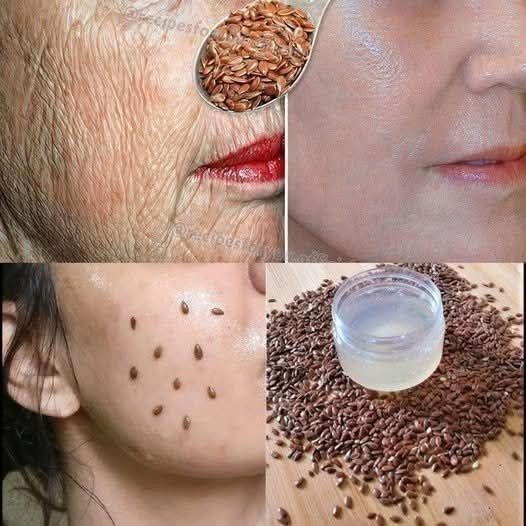
This type of claim is a classic example of hyperbolic and misleading marketing, commonly found in advertisements for anti-aging creams, serums, or devices. It’s important to approach such statements with extreme skepticism and understand the reality of wrinkle treatments.
Why This Statement is a Major Red Flag 🚩
-
“Stronger than Botox” is Scientifically Impossible.
-
Botox (botulinum toxin) is a prescription neurotoxin that works by temporarily paralyzing the underlying facial muscles to smooth dynamic wrinkles (like frown lines and crow’s feet).
-
No topical cream, serum, or over-the-counter product can replicate this mechanism. Creams work on the skin’s surface or upper layers; they cannot reach or affect the muscles beneath.
-
-
“Firmer than glass” is Meaningless Exaggeration.
-
It’s a vivid but empty metaphor. Skin is a living, flexible organ, not a hard, inert material. The goal is healthy, resilient, and hydrated skin—not skin that resembles glass.
-
-
Preys on Hope and Insecurity.
-
Such language targets the desire for quick, dramatic, and easy solutions, especially for mature adults who may feel overlooked by beauty marketing. It promises a miracle in a bottle.
-
What Actually Works for Wrinkles at 70+
For significant, visible results, evidence-based treatments are necessary. A good skincare routine is essential for maintenance and skin health, but it cannot produce effects “stronger than” medical procedures.
| Approach | How It Works | Realistic Outcome for Mature Skin |
|---|---|---|
| Prescription Topicals (Tretinoin) | Gold-standard topical. Increases collagen, improves texture. | Can significantly improve fine lines, sun damage, and firmness over months. Requires consistency. |
| Professional Procedures (Botox, Fillers, Lasers) | Botox: Relaxes muscles. Fillers: Replace volume. Laser: Remodels collagen. | The most effective for reducing deep wrinkles and folds. Provides dramatic results that topicals cannot match. |
| Excellent Daily Skincare | Sunscreen (SPF 30+), moisturizer, gentle cleanser, peptides, antioxidants. | Protects, hydrates, and maintains results from professional treatments. Prevents further damage. Crucial for health but has limits. |
| Lifestyle & Diet | No smoking, limited alcohol, balanced diet, hydration, stress management. | Supports overall skin health and longevity from within. |
How to Evaluate Anti-Aging Product Claims
-
Look for Specific, Proven Ingredients: Retinol, peptides, hyaluronic acid, vitamin C, niacinamide. Be wary of “secret” or “miracle” complexes.
-
Beware of “Botox-in-a-bottle” or “Needle-free facelift” phrasing: This is almost always marketing hype.
-
Check for Clinical Studies: Reputable brands often fund independent, published studies on their products. Look for data, not just testimonials.
-
Consult a Dermatologist: This is the most important step. A board-certified dermatologist can create a personalized plan combining effective topicals, in-office procedures, and skincare tailored to your skin’s needs at 70, 80, or beyond.
The Bottom Line
While a great moisturizer or retinol cream can improve skin texture, hydration, and the appearance of fine lines, it will never produce results “stronger than Botox” or make your skin “firmer than glass.”
Your most powerful anti-aging strategy is:
-
Daily, broad-spectrum sunscreen (the #1 age-fighter).
-
A consistent skincare routine with proven actives.
-
Professional treatments (like Botox, fillers, lasers) for significant structural changes.
-
Guidance from a dermatologist you trust.
Don’t fall for magical claims. Invest in science, not hype. Your skin deserves realistic care that truly works.