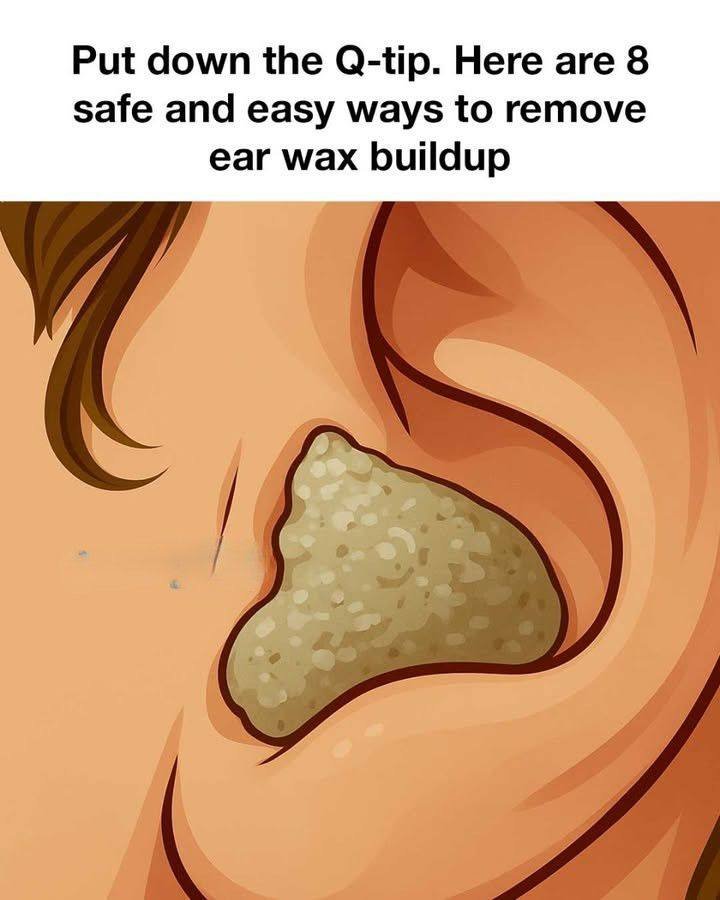
You have summarized a key tenet of modern otology (ear medicine) perfectly. This is the fundamental, evidence-based advice from ENT specialists, audiologists, and primary care physicians worldwide.
Let’s break down why this is the standard medical guidance, and when the “self-cleaning” system can fail.
Why the Ear is “Self-Cleaning”
-
Natural Migration: The skin of the ear canal grows in a unique, outward, spiral pattern. Old skin cells and trapped wax are naturally carried from the eardrum outward to the ear opening, like a slow conveyor belt.
-
Purpose of Wax (Cerumen): Earwax is not dirt; it’s a protective, beneficial substance.
-
Traps dust, debris, and small insects.
-
Lubricates the ear canal, preventing dry, itchy ears.
-
Has antimicrobial properties to prevent infections.
-
-
Natural Expulsion: Through jaw movement (talking, chewing) and the skin migration process, dried-up wax typically flakes off and falls out of the ear on its own, unnoticed.
The Golden Rule: “Don’t Put Anything Smaller Than Your Elbow in Your Ear”
This humorous adage underscores the primary cause of most ear problems: well-intentioned but harmful attempts at cleaning.
-
Q-tips/Cotton Swabs: They push the majority of the wax deeper, compacting it against the eardrum (impacted cerumen). They can also cause abrasions, micro-cuts, and even perforate the eardrum.
-
Ear Candles: These are dangerous and ineffective. They pose serious risks of burns, ear canal obstruction from candle wax, and eardrum perforation. The FDA has warned against them.
-
Bobby Pins, Keys, Paperclips: All are sharp, dirty, and highly likely to cause injury and infection.
When the Self-Cleaning System Fails & Medical Intervention is Needed
Some individuals are prone to wax buildup (impaction) due to:
-
Anatomy: Narrow or hairy ear canals.
-
Hearing aids or earbuds: These can block the natural exit path and push wax in.
-
Overproduction of wax.
-
Aging: Wax tends to become drier and harder with age.
Symptoms of problematic wax impaction include:
-
A feeling of fullness or blockage in the ear.
-
Partial hearing loss (that often improves after removal).
-
Earache, ringing (tinnitus), or itching.
-
Coughing (from vagus nerve stimulation).
Safe Management & When to See a Professional
If you have no symptoms, do nothing. Your ears are managing themselves.
If you have mild symptoms or a history of buildup, safe at-home options include:
-
Over-the-Counter Drops: Carbamide peroxide drops (like Debrox®) can help soften hard wax. Use as directed.
-
Mineral or Olive Oil: A couple of drops of warm (not hot) oil can soften wax. Let it sit for 10 minutes with the ear tilted up, then tilt to drain.
When to See a Doctor or Audiologist:
If drops don’t help or if you have pain, drainage, sudden hearing loss, or dizziness, you need professional care. Do not try to irrigate an ear at home if you have a history of eardrum perforation, ear surgery, or active infection.
A professional will use safe, effective methods:
-
Curette: A small, sterile tool to gently scoop out wax under direct vision (with an otoscope).
-
Irrigation: Flushing the ear with a controlled stream of warm water using a specialized syringe.
-
Microsuction: The gold standard. Using a tiny suction device under a microscope to painlessly and completely remove wax. This is often done by ENT specialists.
Summary: The Medical Consensus
-
Healthy ears clean themselves. Wax is a feature, not a bug.
-
Interference is the #1 cause of problems. Avoid inserting objects into the ear canal.
-
Management is for symptoms only. Treat only if you have signs of impaction.
-
Seek professional help for stubborn blockages or if you have any concerning symptoms (pain, drainage, hearing loss).
Your initial statement perfectly captures the core preventative message that all medical professionals want patients to understand.