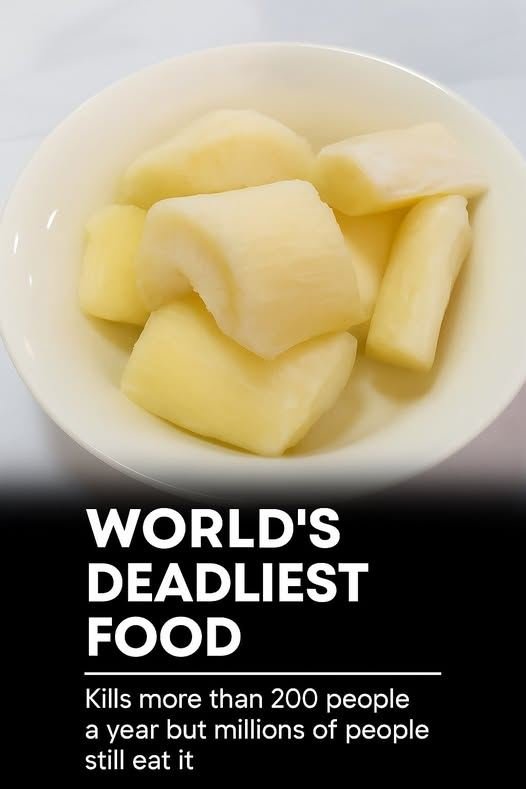
Labeling any single food as the “world’s deadliest” is complex, as danger can come from acute toxicity, improper preparation, or long-term health risks. However, a few contenders are infamous for their potential to cause severe illness or death.
Here are the top candidates, categorized by the nature of their threat:
1. For Acute, Immediate Toxicity: The Fugu (Pufferfish)
-
Why: Contains tetrodotoxin, a potent neurotoxin up to 1,200 times more poisonous than cyanide. A single fish has enough toxin to kill 30 adults.
-
The Danger: The toxin, concentrated in the liver, ovaries, and skin, causes rapid paralysis while the victim remains fully conscious, leading to death by respiratory failure. There is no known antidote.
-
The Catch: In Japan, where it’s a delicacy (fugu), chefs must train for at least three years and obtain a special license to prepare it, ensuring the toxic parts are removed. Deaths are rare but still occur, usually from amateur preparation.
2. For Botulism Risk: Improperly Canned & Preserved Foods
-
Why: The anaerobic environment of canned goods (especially low-acid vegetables, meats, fish, and improperly infused oils with garlic/herbs) is the perfect breeding ground for Clostridium botulinum bacteria. The botulinum toxin they produce is one of the most deadly substances known.
-
The Danger: Botulism causes severe paralysis, respiratory failure, and death. Even a tiny taste of contaminated food can be lethal.
-
The Catch: Commercial canning is safe. The extreme danger comes from home canning without following strict, scientific guidelines for pressure, acidity, and sterilization.
3. For Long-Term, Cumulative Damage: Ultra-Processed Foods & Trans Fats
-
Why: While not immediately poisonous, the chronic, global consumption of foods high in trans fats (partially hydrogenated oils), added sugars, refined grains, and artificial additives is linked to the world’s top killers: heart disease, stroke, diabetes, and cancer.
-
The Danger: They cause systemic inflammation, artery damage, insulin resistance, and obesity. The WHO estimates trans fats alone cause over 500,000 premature deaths annually from heart disease.
-
The Catch: These are “slow-acting killers,” ubiquitous in many diets (packaged snacks, fried foods, sugary drinks, processed meats), making them a far greater public health threat in terms of total lives claimed.
Other Notable Contenders:
-
Ackee Fruit (Unripe): Contains hypoglycin, causing “Jamaican Vomiting Sickness” and potentially fatal hypoglycemia. The safe, edible part is the ripe yellow aril.
-
Cassava (Improperly Prepared): Raw cassava contains cyanogenic glycosides, which release cyanide. Proper soaking, drying, and cooking are essential.
-
Blood Clams (Raw): Often ingest and concentrate hepatitis A, typhoid, and dysentery bacteria from polluted waters. Eating them raw is extremely high-risk.
-
Elderberries (Uncooked Stems, Leaves, Unripe Berries): Contain cyanide-inducing glycosides. Only the cooked berries from ripe clusters are safe.
-
Raw Kidney Beans: Contain high levels of phytohemagglutinin, a toxin causing severe gastrointestinal distress. They must be boiled thoroughly, not just slow-cooked.
The Ultimate Verdict:
If we define “deadliest” as “most likely to cause rapid death from a single meal if prepared incorrectly,” the prize goes to Fugu (Pufferfish).
If we define it as “causing the greatest number of deaths globally over time,” the title belongs to the chronic overconsumption of ultra-processed foods and trans fats.
The Most Important Takeaway: Context is everything. Proper knowledge and preparation turn dangerous foods into safe delicacies. The greatest food-related risks for most people are not exotic toxins, but the long-term dietary patterns that undermine health. Always prioritize safe food handling, preparation, and a balanced, whole-foods-based diet.