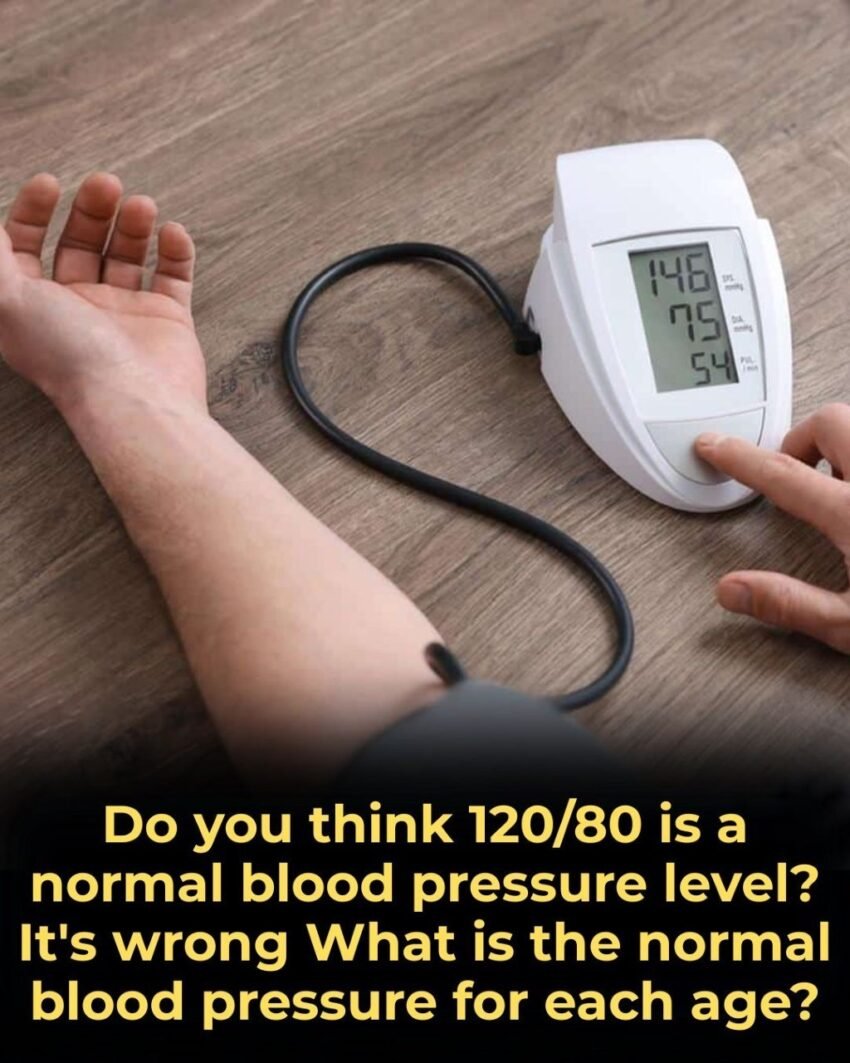
This is an excellent and important question. While blood pressure (BP) does tend to increase with age due to changes in blood vessel elasticity, modern medical guidelines emphasize that a healthy blood pressure target is largely the same for all adults, regardless of age.
The outdated idea that “100 plus your age” is normal is medically incorrect and dangerous, as it can lead to under-treatment of hypertension in older adults.
Here are the current, evidence-based standards from major health organizations like the American Heart Association (AHA) and the American College of Cardiology (ACC).
Official Blood Pressure Categories for Adults (18+ years)
The following categories apply to adults of all ages. The numbers represent millimeters of mercury (mmHg).
| Category | Systolic (Top Number) | and | Diastolic (Bottom Number) |
|---|---|---|---|
| Normal | Less than 120 mm Hg | and | Less than 80 mm Hg |
| Elevated | 120 – 129 mm Hg | and | Less than 80 mm Hg |
| Hypertension Stage 1 | 130 – 139 mm Hg | or | 80 – 89 mm Hg |
| Hypertension Stage 2 | 140 mm Hg or higher | or | 90 mm Hg or higher |
| Hypertensive Crisis | Higher than 180 mm Hg | and/or | Higher than 120 mm Hg |
Key Takeaway: The goal for nearly all adults is to maintain a BP under 120/80.
How Age Factors Into Assessment & Treatment
While the target is the same, the approach to diagnosis and management considers age:
-
For Younger Adults (18-39): Any consistent reading above 130/80 is taken very seriously, as it indicates a longer lifetime risk for heart disease, stroke, and kidney damage. Lifestyle changes are the first line of defense.
-
For Middle-Aged & Older Adults (40+): It’s common to see a rise in systolic pressure (the top number) as arteries stiffen. However, this is not considered “normal aging.”
-
Treatment is often recommended at the same thresholds (130/80), but the treatment plan may be personalized. For very elderly or frail patients, doctors may aim for a slightly less aggressive target (e.g., below 140/90) to avoid side effects like dizziness and falls.
-
Blood Pressure Ranges for Children & Adolescents
For individuals under 18, blood pressure is assessed based on age, sex, and height percentiles using specialized charts. There is no single “normal” number. A reading is considered elevated or high if it is at or above the 90th or 95th percentile for their specific demographic.
General Healthy Ranges for Children:
-
Toddlers (1-3 yrs): ~80-110 / 50-70
-
Preschoolers (3-5 yrs): ~80-110 / 50-75
-
School Age (6-13 yrs): ~85-120 / 50-80
-
Teenagers (13-18 yrs): ~95-135 / 60-85
Important: Only a pediatrician can accurately interpret a child’s BP using the correct percentile charts.
Essential Guidelines for Accurate Measurement
A single high reading doesn’t mean you have hypertension. Diagnosis requires multiple elevated readings over time.
-
Proper Technique is Crucial:
-
Sit quietly for 5 minutes before measuring.
-
Back supported, feet flat on the floor, arm at heart level.
-
Use a validated, properly sized cuff (an undersized cuff gives falsely high readings).
-
Don’t talk, cross your legs, or use your phone during the reading.
-
-
Monitor at Home: “White coat hypertension” (high BP only at the doctor’s office) is common. Home monitoring provides a clearer picture of your true baseline.
-
Consult Your Doctor: They will interpret your numbers in the context of your overall health, family history, and other risk factors (like diabetes or high cholesterol).
Bottom Line
-
Universal Goal: < 120/80 mmHg is the optimal blood pressure for adults of any age.
-
Diagnosis Threshold: Consistent readings at or above 130/80 mmHg qualify as hypertension and should be discussed with a doctor.
-
Age is Context, Not an Excuse: While older arteries are less flexible, high blood pressure remains a major, treatable risk factor for stroke, heart attack, and kidney failure at any age.
If your readings are consistently in the Elevated or Hypertension ranges, schedule an appointment with your healthcare provider to develop a personalized plan, which will always start with foundational lifestyle changes: a heart-healthy diet (low sodium, high potassium), regular exercise, maintaining a healthy weight, limiting alcohol, and managing stress.