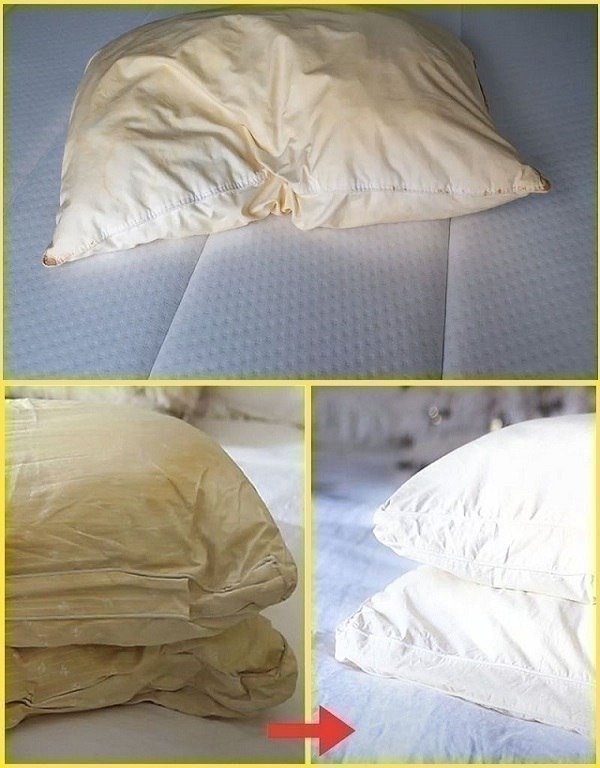
The viral “Snow White” cleaning recipe is a popular and simple DIY cleaning solution named for its bright, milky-white appearance. It’s touted as an all-purpose cleaner that’s effective, inexpensive, and uses common household ingredients.
The Classic Recipe
The standard ratio you’ll find on social media (TikTok, Instagram, Reels) is:
-
1 part blue Dawn dish soap (the original Platinum version is most often specified)
-
2 parts distilled white vinegar
-
Hot water to fill the remaining volume of your spray bottle
Typical Mix for a 16-32 oz spray bottle:
-
Add 1/4 to 1/2 cup of blue Dawn.
-
Add 1/2 to 1 cup of distilled white vinegar.
-
Slowly fill the rest of the bottle with very hot (not boiling) tap water.
-
Gently swirl or invert to mix—DO NOT SHAKE, or it will create a massive, lasting foam.
What It’s Used For
Proponents claim it works wonders on:
-
Grease and Grime: On stovetops, range hoods, oven doors, and kitchen backsplashes.
-
Soap Scum and Hard Water Stains: On shower glass, tiles, and faucets.
-
General Degreasing: On greasy walls, vent covers, and outdoor grill surfaces.
-
Dirty Floors: (Diluted in a bucket of water) for vinyl, laminate, or tile.
How It (Supposedly) Works
-
Dawn Dish Soap: A powerful degreaser that cuts through fats and oils and helps suspend dirt.
-
Vinegar: A mild acid that helps dissolve mineral deposits (hard water stains, soap scum) and has disinfecting properties.
-
Hot Water: Helps dissolve the soap and vinegar more effectively and provides cleaning power on its own.
Important Considerations & Warnings
⚠️ The Big Caveat: Mixing Soap & Acid
Chemically, mixing an acid (vinegar) with a base (soap) can neutralize some of the cleaning power of each. Some experts argue you get a superior clean by using them sequentially (e.g., vinegar first for minerals, then soap for grease) rather than combined. The viral recipe’s effectiveness may stem more from the mechanical action of the Dawn and hot water.
⚠️ What NOT To Use It On:
-
Natural Stone (Granite, Marble, Slate): The acid in vinegar will etch and damage the surface.
-
Hardwood Floors: The vinegar and soap can strip the finish.
-
Cast Iron or Aluminum Cookware: Can damage seasoning or the metal.
-
Electronic Screens: (TVs, phones, monitors) – the soap can damage coatings.
-
Waxed Surfaces: It will strip the wax.
⚠️ Practical Tips:
-
Let it Dwell: Spray it on and let it sit for 5-10 minutes to break down grease before wiping.
-
Test First: Always test on a small, hidden area.
-
Rinse: For surfaces that come in contact with food (countertops), a rinse with water after cleaning is a good idea.
-
Smell: The vinegar smell dissipates as it dries.
The Verdict
It’s a powerful degreaser for tough kitchen and bathroom jobs on durable, non-porous surfaces. Its popularity is driven by its simplicity, visual appeal, and genuine effectiveness on greasy film.
However, it’s not a magical, all-surface solution. Understanding its limitations—and what surfaces to avoid—is key to using it safely and effectively. For daily, all-purpose cleaning, a simpler mix of castile soap and water, or a commercial cleaner, might be safer and more versatile.