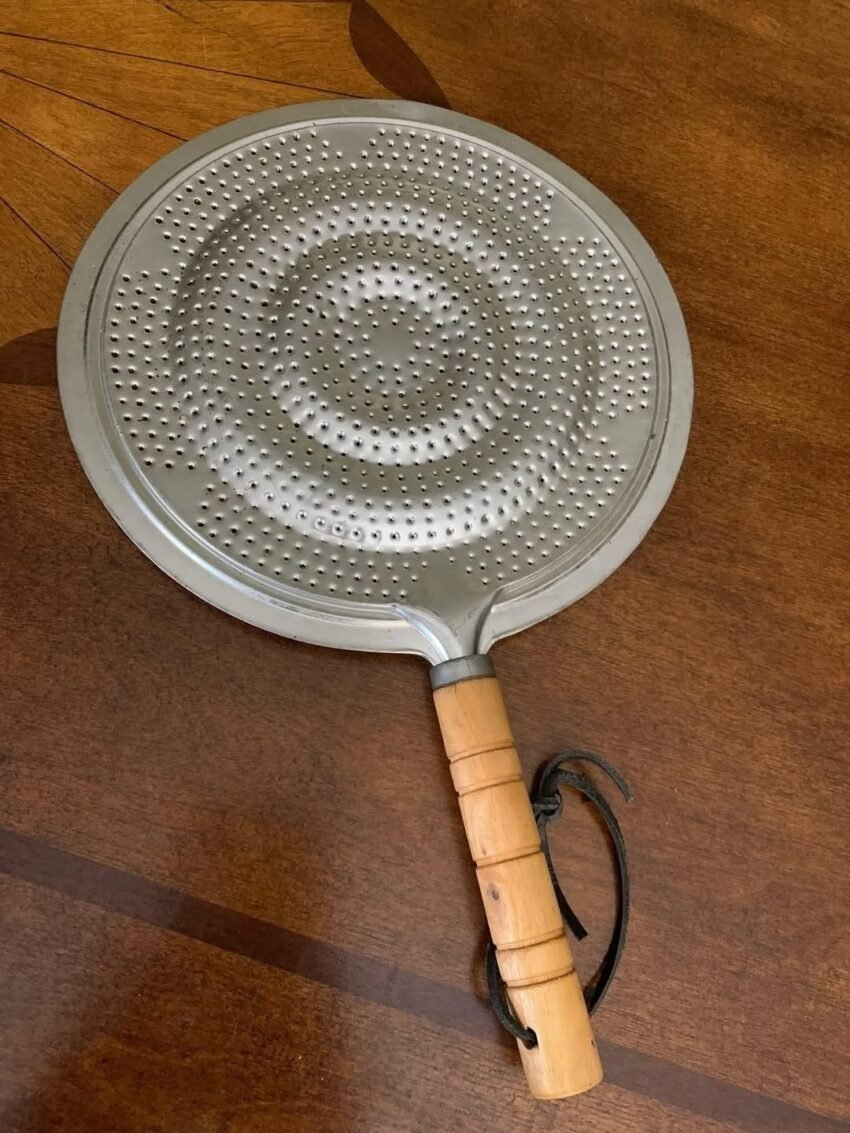
A simmer plate (also commonly called a simmer ring, heat diffuser, or flame tamer) is a simple, invaluable kitchen tool. It’s a circular, metal (or sometimes ceramic) disc that you place between a gas burner (or electric coil) and your cookware to reduce and distribute heat.
Here’s everything you need to know about it.
What It Is & How It Works
-
Physical Description: Typically a flat or slightly domed disc with heat-conducting fins or a spiral pattern on the bottom, and a flat top. It often has a center hole for stability on a gas burner’s grate.
-
Primary Function: To diffuse and lower intense direct heat, transforming a roaring flame or high electric heat into a gentle, even, low heat perfect for simmering.
-
How: It acts as a buffer. The burner heats the plate, and the plate then radiates that heat evenly across the entire bottom of the pot/pan, eliminating hot spots and preventing scorching.
Primary Uses: When to Reach for a Simmer Plate
-
Achieving a True, Gentle Simmer: Essential for dishes that need to cook for hours without boiling—stews, braises, sauces (like marinara), soups, and stocks. Prevents the bottom from burning while the top barely bubbles.
-
Melting & Tempering Delicate Foods: Perfect for melting chocolate, making custards, hollandaise, or melting butter without seizing or curdling.
-
Keeping Food Warm: Use it to hold gravy, oatmeal, or soup at a perfect serving temperature for long periods without reducing or cooking further.
-
Cooking on High-Heat Burners: Modern stoves often have powerful burners that are too hot for low simmering. The plate makes low-heat cooking possible.
-
Protecting Delicate Cookware: Provides a buffer for copper, ceramic, glass, and enameled cast iron pots, preventing thermal shock and hotspot damage.
-
Adapting Cookware: Allows you to use a wok on a standard burner by providing a stable, flat base and diffusing the heat.
Types & Materials
-
Cast Iron: The most common and effective. Heats slowly and evenly, retains heat exceptionally well. Heavy and durable.
-
Aluminum with Fins: Lightweight and heats quickly due to the finned design. Good for rapid heat diffusion.
-
Stainless Steel: Less common, often a sandwich with an aluminum or copper core for even heating.
-
Ceramic/Glass: Used primarily for electric or induction cooktops (not for open flame). Provides a physical barrier and diffuses heat.
How to Use It Correctly
-
Place the simmer plate directly on the burner grate.
-
Turn the burner to the desired initial heat level (often medium to preheat the plate).
-
Place your pot or pan on top of the simmer plate.
-
Adjust the burner as needed. You will typically need a slightly higher flame than without the plate to achieve the same heat level in the pot, as some heat is absorbed by the plate.
-
Allow extra time for the pot to heat up and for temperature adjustments to take effect.
Pros vs. Cons
| Pros | Cons |
|---|---|
| Prevents Burning & Scorching | Slower to Respond: Heat changes are delayed. |
| Enables Ultra-Low Simmer | Extra Item to Store |
| Protects Expensive Cookware | Can be Inefficient: Uses more gas/electric to heat the plate first. |
| Eliminates Hot Spots | Not for All Burners: Can block sensors on some electric glass-tops. Check manufacturer guidelines. |
| Inexpensive & Long-Lasting | Safety: The plate itself gets extremely hot. Use a trivet after. |
Key Considerations & Safety
-
Not for Induction: Standard metal simmer plates will not work on induction cooktops unless they are specifically made with a magnetic base (like cast iron). Ceramic/glass diffusers are used for induction.
-
Gas vs. Electric: Works excellently on gas. For electric coils, ensure the plate sits flat and stable. For smooth-top electric, check your stove’s manual first, as it can trap heat and damage the glass ceramic surface.
-
Size: Match the plate size to your burner size (or slightly larger) for efficiency. A plate too small defeats the purpose.
-
Ventilation: Ensure your stove’s vents are not blocked, as the plate can increase radiant heat underneath.
Alternatives in a Pinch
If you don’t have a simmer plate, you can create a makeshift diffuser:
-
Use a cast iron skillet as a buffer plate.
-
For gas, try the “flame tamer” method: Place a stainless steel vegetable steamer insert or a ring of foil balls under the pot to lift it slightly above the flame.
Bottom Line: A simmer plate is a humble, low-tech tool that solves a high-stakes problem: how to apply gentle, even heat. For anyone who makes slow-cooked sauces, braises, or delicate confections, it’s a secret weapon for flawless results. If you’ve ever scorched a pot of chili or seized a batch of chocolate, this $10-$20 tool is worth its weight in gold.