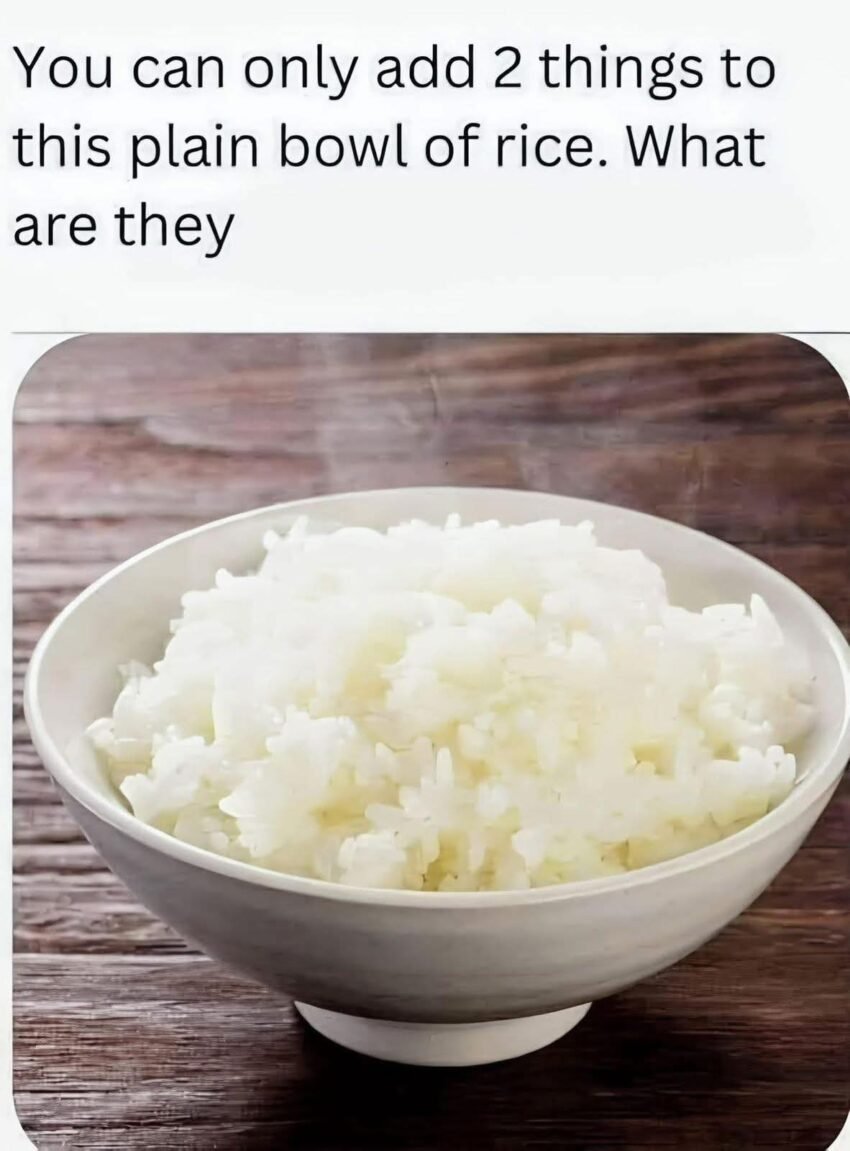
A plain bowl of rice—simple, humble, and profoundly universal. It’s the most basic staple food for billions, a blank canvas, and a profound source of comfort. Here’s a look at it from every angle.
🌾 The Essence
A plain bowl of rice is the ultimate example of minimalist nourishment. Its beauty lies in its subtlety: the faint nutty aroma, the varying textures (from sticky to fluffy to separate grains), and the gentle, starchy sweetness that emerges with careful chewing.
🍚 Types of Rice & Their “Plain Bowl” Personality
-
Jasmine Rice (Thailand): Fragrant, slightly sweet, soft and clingy. The aromatic comfort blanket.
-
Basmati Rice (India/Pakistan): Long, separate grains with a distinctive popcorn-like aroma. Elegant and light.
-
Japanese Short-Grain Rice (Japan): Sticky, slightly sweet, with a pearly sheen. Sublimely chewy and satisfying.
-
Calrose / Medium-Grain (US/Global): The versatile all-rounder—soft, slightly sticky, neutral.
-
Brown Rice / Whole Grain: Nutty, chewy, with more fiber and nutrition. A heartier, earthy experience.
-
Sticky / Glutinous Rice (Southeast Asia): Eaten with hands; dense, chewy, and incredibly filling.
👑 How to Make the Perfect Plain Bowl of Rice
The goal is distinct, perfectly cooked grains, not mush.
Stovetop Method (The Standard):
-
Rinse: Rice in a bowl under cold water until water runs almost clear. Removes excess starch for less sticky rice.
-
Ratio: Use the 1:1.5 ratio (rice to water) for white rice. (e.g., 1 cup rice to 1.5 cups water). Brown rice uses more water (1:2 or 1:2.25).
-
Cook: Combine rice and water in a pot with a tight lid. Bring to a boil, then immediately reduce heat to the lowest simmer. Cover and cook for 15-18 minutes (white rice) or 40-50 minutes (brown rice). DO NOT PEEK.
-
Steam: Turn off heat and let it steam, covered, for 10 minutes. This is the secret to perfect texture.
-
Fluff: Use a fork to fluff gently before serving.
Rice Cooker Method: The foolproof champion. Rinse rice, add to pot with water to the indicated line, press start. It handles the rest.
❤️ The Cultural & Emotional Weight
-
Comfort Food: Across Asia, a warm bowl of rice is the ultimate solace food, akin to chicken soup in the West. It’s what you eat when you’re sick, tired, or homesick.
-
The Great Equalizer: It accompanies the richest curries and the simplest pickles. It stretches a meal, soaks up flavor, and fills the belly.
-
A Measure of Skill: In many cultures, cooking a perfect pot of plain rice is a fundamental test of culinary competence.
-
Respect: It’s often considered sacred. Wasting rice is taboo in many societies.
🍽️ How to Elevate It (Without Really Changing It)
Even “plain” rice can have subtle enhancements:
-
The Fat: Cook it with a teaspoon of oil, butter, or coconut oil for richer flavor and glossier grains.
-
The Liquid: Substitute water with broth or add a knotted piece of kombu (dried kelp) while cooking for umami.
-
The Finish: After fluffing, drizzle with a few drops of toasted sesame oil or sprinkle with furikake (Japanese seasoning).
-
The Vessel: Serve it in a beautiful, warm ceramic bowl. Texture and temperature matter.
A Moment of Appreciation
Eating a plain bowl of rice mindfully is a practice in gratitude. It’s a connection to farmers, history, and the simple, sustaining forces of life. In its quiet, unadorned state, it reminds us that the most basic things are often the most essential.
In short, a plain bowl of rice is never just rice. It’s a foundation, a comfort, a ritual, and a testament to simplicity. Enjoy its quiet perfection.