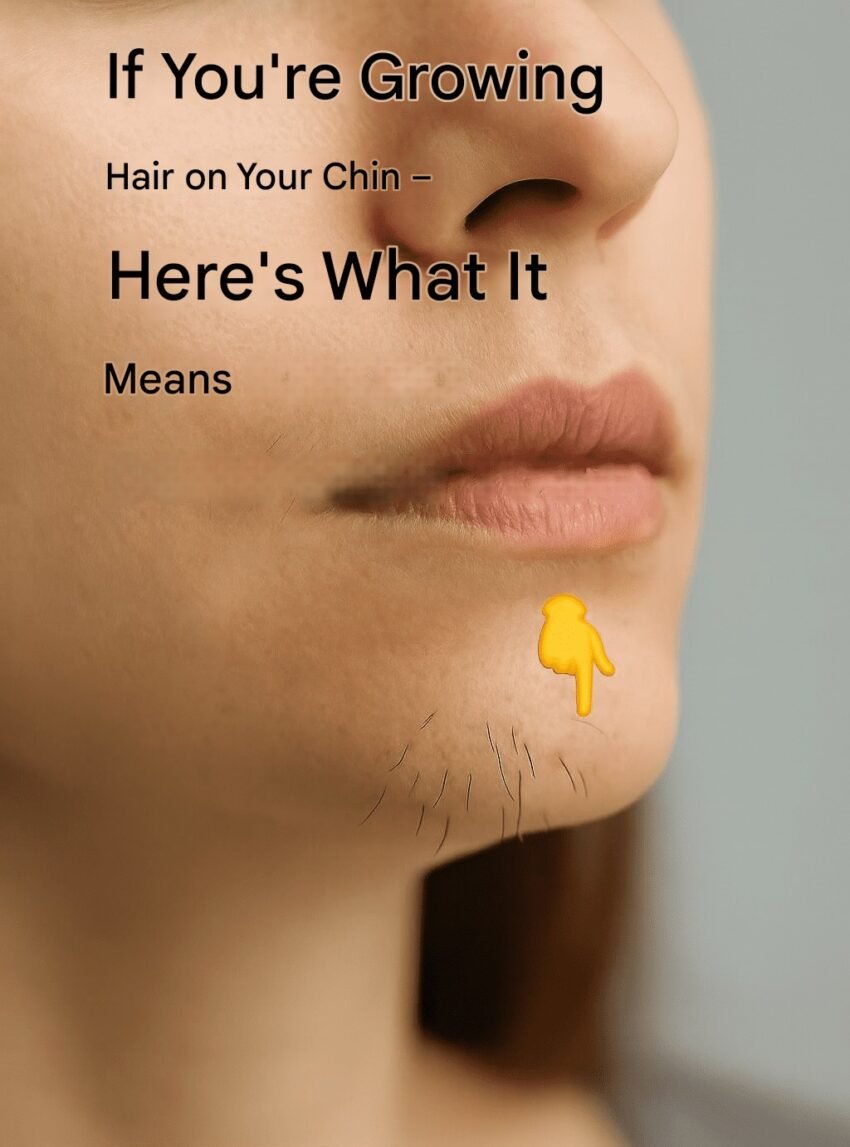
Here are the most common reasons:
-
Hormonal Shifts – Especially an increase in androgens (like testosterone), which stimulate hair growth in more typically “male-pattern” areas (chin, upper lip, jawline).
-
Polycystic Ovary Syndrome (PCOS) – A common cause in people with ovaries, often accompanied by irregular periods, acne, or weight changes.
-
Perimenopause or Menopause – Hormonal fluctuations during this time can cause new facial hair growth.
-
Certain Medications – Such as some steroids or hormonal treatments.
-
Adrenal or Thyroid Disorders – Conditions affecting these glands can alter hormone levels.
-
Genetics/Family History – Some people naturally have more facial hair due to their genetic background.
What you can do:
-
Consult a healthcare provider – Especially if the hair growth is sudden, coarse, or accompanied by other symptoms like acne, voice deepening, or menstrual changes. They can check hormone levels and look for underlying conditions.
-
Temporary removal options – Plucking, threading, waxing, or bleaching.
-
Long-term reduction options – Laser hair removal or electrolysis (if you’re a candidate).
-
Medication – If related to a hormonal condition, medications like oral contraceptives or anti-androgens (e.g., spironolactone) might be prescribed to manage the cause.
It’s a common issue, but checking with a doctor can help determine if there’s an underlying medical reason that needs attention.