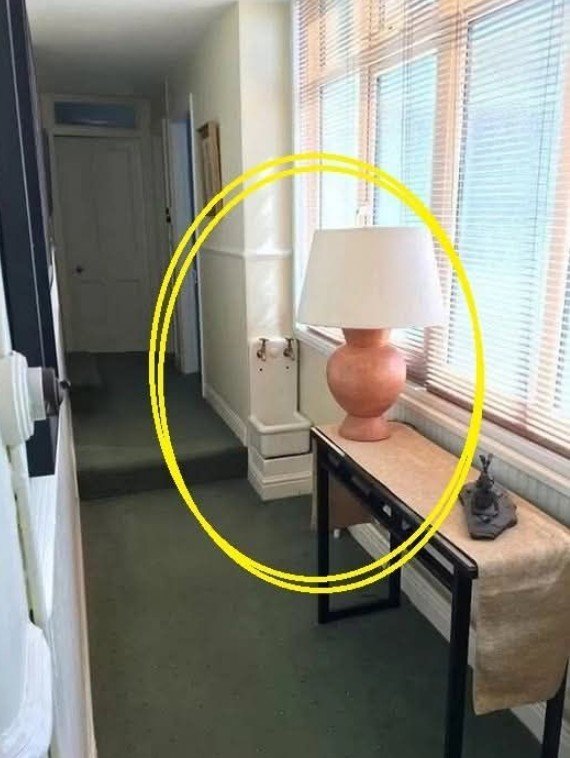
That’s a fascinating and quirky find! A sink in a hallway isn’t standard, but it’s not unheard of in older homes. These sinks are almost always a relic from a time when the home’s layout or the family’s lifestyle was very different. Deciding whether to keep it depends on its charm, your needs, and the cost of removal.
Let’s explore the most likely historical reasons for its existence, which will help you understand its original purpose.
Most Likely Historical Uses for a Hallway Sink
-
The “Bedroom Sink” or “Toothbrush Sink”: In homes built before the mid-20th century, it was common for only one bathroom to serve the entire house. A small sink in the hallway, often near the bedroom doors, allowed people to wash their hands, brush their teeth, or get a drink of water without having to queue for the main bathroom. This was a major convenience for large families.
-
The “Mudroom Sink” or “Work Sink”: If the hallway leads to a back door (or used to), it might have been a mudroom or utility area. This sink was for cleaning up after gardening, household chores, or when coming in from outside before entering the main living areas. It kept dirt out of the kitchen and bathroom sinks.
-
The “Nursery Sink”: If there was a nursery or a small child’s room nearby, the sink could have been for washing baby clothes, bottles, or for quick clean-ups without needing to go to the kitchen.
-
The “Servant’s Sink”: In larger, older homes, a sink in a back hallway might have been for staff use, allowing them to perform cleaning duties without entering the family’s private spaces.
-
The “Bar Sink” or “Wet Bar”: If it’s near a living or dining room, it might have been a small butler’s pantry or wet bar for rinsing glasses. Over time, the cabinetry might have been removed, leaving just the sink.
How to Investigate Its History & Condition
-
Check the plumbing: Is it hot & cold water, or just cold? Just cold suggests a utility/hand-washing sink. Hot water suggests more frequent hygienic use.
-
Look at the style: Is it a deep, plain porcelain “slop sink” (utility) or a more decorative pedestal or console sink (bedroom/hall use)?
-
Examine the floor: Is the flooring underneath it different or worn? This can show its original “zone.”
-
Ask neighbors or previous owners: They might know the local history or the home’s original layout.
-
Check old blueprints: If you have them, or if your local historical society has records.
To Keep or Not to Keep? Modern Uses & Removal
If You KEEP IT – Creative Modern Uses:
-
A Fabulous Flower Station: Perfect for filling vases, trimming stems, and containing the mess.
-
A Pet Care Hub: Ideal for washing pets, filling water bowls, and storing pet supplies.
-
An Arts & Crafts Station: A dedicated, easy-to-clean spot for messy projects (painting, pottery, etc.).
-
A High-Functioning Bar/Coffee Nook: Install shelving above for glassware or mugs, making it a dedicated beverage station.
-
A Statement Piece: If it’s vintage and charming, decorate around it. Make it a focal point with nice soap, a beautiful mirror, and art.
If You REMOVE IT – Considerations:
-
Cost: Removal involves a plumber to cap the lines (and possibly a carpenter and tile-setter to patch the wall and floor). Get a quote.
-
Value: Does it add unique character or quirky function that future buyers might love or hate? In a historic home, some buyers appreciate preserved oddities.
-
Your Lifestyle: Do you have a practical use for it, or will it just be a dust collector and an obstacle?
Recommendation
Take your time. Live with the sink for a few weeks or months. See how you naturally move through the house. You might discover it’s incredibly useful for washing hands after taking out the trash, or you might constantly bump into it.
Ultimately, the decision is a blend of practicality, aesthetics, and cost. Whether you turn it into a charming feature or remove it for a cleaner look, you’re solving a fun historical mystery in your new home