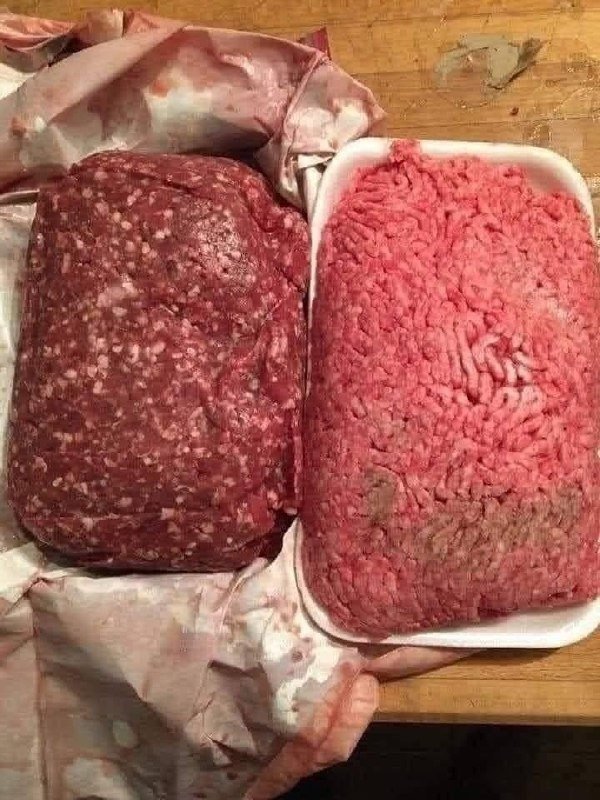
This is a crucial distinction that affects taste, texture, ethics, price, and nutrition. Here’s a detailed comparison to help you understand the key differences.
Quick-Reference Comparison Table
| Aspect | Farm-Raised Meat (Direct/Wild Game) | Butcher-Prepared Meat (Butcher Shop) |
|---|---|---|
| Source | You or a hunter raises/harvests the animal (cattle, pigs, chickens, deer, etc.). | A butcher sources from farms, processors, or distributors. |
| Processing | You are responsible for slaughter, skinning/plucking, eviscerating, aging, and butchering. | Professional butcher handles all slaughter, aging, breaking down, and cutting. |
| Control | Total control over breed, feed, living conditions, slaughter method, and cut preferences. | Limited control—you choose from available cuts, grades, and sources the butcher offers. |
| Skill & Labor | High. Requires knowledge, tools, space, and comfort with the entire process. | None for you. You pay for the butcher’s expertise. |
| Cost | Lower per pound for the whole animal, but high upfront cost and requires storage. Higher per pound if valuing your labor. | Higher per pound for individual cuts, but no waste, no labor, and no bulk purchase needed. |
| Freshness & Customization | Can be processed immediately. Can request exact, custom cuts (thickness, fat cap, etc.). | Depends on shop’s sourcing. Can request special cuts or preparations (e.g., frenching, rolling). |
| Primary For | Hunters, homesteaders, those buying whole/half animals (e.g., CSA meat shares), seeking self-sufficiency. | Everyday consumers, home cooks, those wanting specific cuts without bulk purchase or processing work. |
Detailed Breakdown
1. Farm-Raised Meat (The “From Animal to Freezer” Path)
This means you are involved in raising or harvesting the animal and overseeing its transformation into meat.
-
Process: Raising livestock → Slaughter → Butchering → Packaging.
-
Pros:
-
Ultimate Transparency: You know everything about the animal’s life and death.
-
Potential for Higher Quality: Control over diet (grass-fed, organic) and stress-free slaughter.
-
Cost-Effective in Bulk: Buying a whole or half animal is cheaper per pound.
-
Utilization: You get everything – offal, bones for stock, fat for rendering.
-
-
Cons:
-
Immense Labor & Skill: Requires knowledge, proper facilities, and tools.
-
Emotional & Physical Challenge: Slaughter and butchering are not for everyone.
-
High Upfront Cost & Need for Storage: Requires a large freezer and significant initial payment.
-
Regulation & Safety: Must comply with local laws on slaughter and processing for sale.
-
2. Butcher-Prepared Meat (The “From Case to Kitchen” Path)
This refers to meat purchased from a professional butcher shop (not a supermarket pre-packaged section).
-
Process: Butcher sources sides/whole animals → Ages meat → Breaks into primals → Cuts to order → Packages.
-
Pros:
-
Expertise & Convenience: Leverages a butcher’s skill in breaking down and preparing cuts.
-
Flexibility & Choice: Buy only what you need, when you need it. Try different cuts easily.
-
Quality & Sourcing: Good butchers source from reputable, often local farms. They dry-age and handle meat properly.
-
Customization: “Could you cut these chops 1.5 inches thick?” “Can you grind this for me?”
-
-
Cons:
-
Higher Cost: You pay for labor, expertise, and shop overhead.
-
Less Control Upstream: You rely on the butcher’s sourcing standards.
-
Less “Whole Animal” Access: May not easily get odd cuts, bones, or offal unless requested.
-
Which Should You Choose? A Simple Guide
-
Choose FARM-RAISED/DO-IT-YOURSELF if you:
-
Hunt or raise livestock.
-
Want to buy a whole/half animal from a trusted farm.
-
Value self-sufficiency and have the skills/space.
-
Are on a tight budget but can afford a bulk purchase.
-
-
Choose BUTCHER-PREPARED if you:
-
Want high-quality, well-cut meat without the work.
-
Value supporting a local business and expert craft.
-
Need specific cuts or custom preparations.
-
Cook in smaller quantities and lack bulk storage.
-
Note: These paths often intersect. Many people who buy a whole cow from a farm will then pay a custom butcher to process it for them—combining the sourcing benefits of farm-raising with the skill benefits of a butcher.
The Supermarket “Middle Ground”
Grocery store meat is typically neither. It’s usually processor-prepared, coming from large-scale packing houses, pre-cut and packaged for mass distribution, with less transparency and connection to the source. A true butcher shop offers a significant upgrade in quality, sourcing, and service.