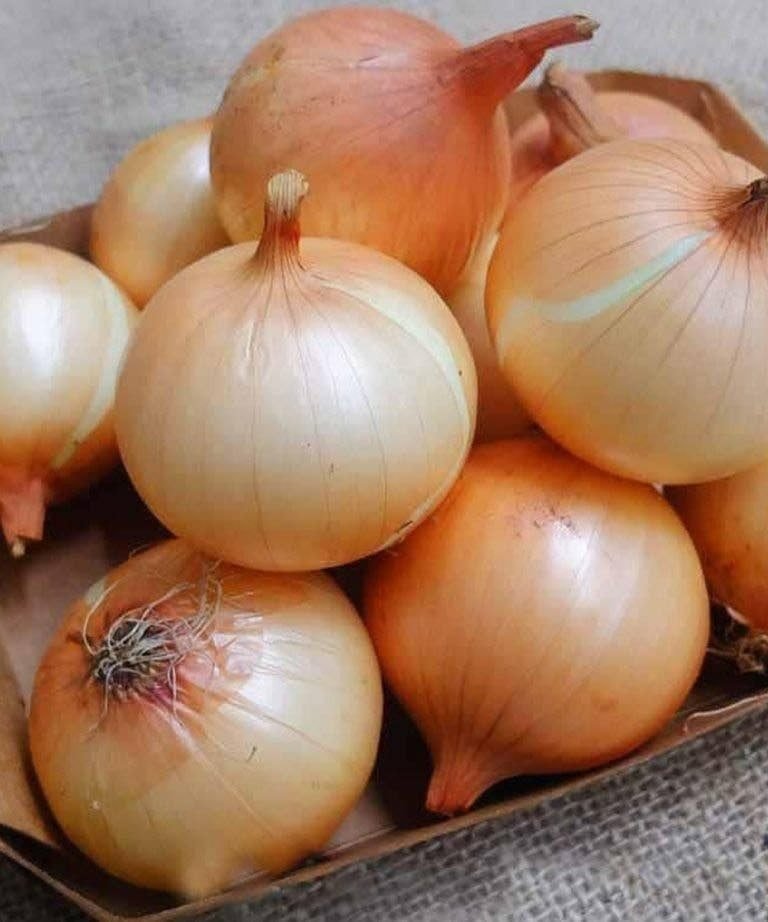
That headline-style phrase “Doctors reveal that eating onion causes…” is a classic example of clickbait designed to provoke curiosity or fear. In reality, medical professionals and nutritionists emphasize that onions are a highly nutritious vegetable with well-documented health benefits, and for the vast majority of people, they are extremely safe and healthy.
Let’s clear up the misinformation and provide the science-based facts.
What Eating Onions TRULY “Causes” (The Evidence-Based Effects)
✅ Proven Health BENEFITS:
-
Rich in Antioxidants & Anti-inflammatory Compounds: Especially quercetin and sulfur compounds, which may help reduce inflammation and protect against chronic diseases.
-
Heart Health: Can help lower blood pressure and cholesterol levels, reducing heart disease risk.
-
Supports Gut Health: Contains prebiotic fibers (inulin and FOS) that feed beneficial gut bacteria.
-
May Have Anti-Cancer Properties: Observational studies link higher allium vegetable (onion/garlic) consumption with a lower risk of certain cancers, like stomach and colorectal.
-
Blood Sugar Control: Some compounds in onions may help lower blood glucose levels.
⚠️ Potential Side Effects (For Some People):
These are generally mild, manageable, and not a reason for most to avoid onions.
-
Digestive Discomfort: The fermentable fibers (FODMAPs) can cause gas, bloating, or indigestion in individuals with IBS (Irritable Bowel Syndrome) or sensitive guts.
-
Heartburn/Acid Reflux: Can be a trigger food for some people with GERD.
-
Allergy: Rare, but possible. Symptoms can include itching, rash, or respiratory issues.
-
Eye & Nose Irritation: The release of syn-propanethial-S-oxide when cutting onions causes temporary tearing and stinging—a chemical defense, not an allergy.
The Dangerous Clickbait Myths (What It Does NOT Cause)
Reputable doctors do NOT reveal that onions cause:
-
“Toxin buildup” or “poisoning” (when consumed in normal food amounts).
-
“Instant diseases” like cancer, diabetes, or heart failure (the opposite is true).
-
“Blood contamination” or “parasites” (a common, baseless viral myth).
Doctor’s Practical Advice:
-
For Most People: Onions are a healthy addition to a balanced diet. Enjoy them cooked or raw in salads, soups, and stir-fries.
-
If You Have Digestive Issues: Try cooking onions (which reduces FODMAPs) or consume smaller amounts. A low-FODMAP diet under guidance can help identify personal triggers.
-
If You Experience Severe Reactions: Consult a doctor or allergist to rule out a true allergy or other condition.
-
Always wash onions before cutting to minimize surface bacteria (a general food safety rule for all produce).
Bottom Line
Don’t fall for sensationalized headlines. Eating onions as part of a normal diet “causes” significant health benefits. Any minor side effects are manageable and individual-specific.
If you see a headline claiming “Doctors reveal that eating onion causes [something shocking],” it is almost certainly exaggerated, out of context, or false. For trustworthy health information, rely on established medical institutions and registered dietitians, not viral clickbait.