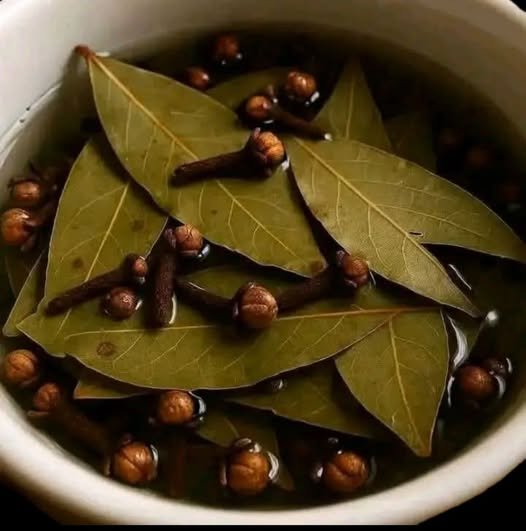
Bay leaf and clove herbal tea is a wonderfully aromatic, caffeine-free infusion known for its earthy, warming flavor and a host of traditional health benefits. It’s a simple yet powerful brew.
Here’s a comprehensive guide to making, enjoying, and understanding this herbal tea.
Flavor Profile
-
Bay Leaf: Provides a subtle, herbal, slightly piney and floral note with a gentle bitterness.
-
Clove: Adds a dominant warmth, sweetness, and that characteristic pungent, slightly numbing spice.
-
Together: They create a deeply soothing, aromatic, and slightly medicinal-tasting tea that is both grounding and invigorating.
Traditional & Potential Health Benefits
This tea is prized in many traditional medicine systems (like Ayurveda). Modern science supports some of these uses, but it’s important to note that most benefits are linked to regular, moderate consumption as part of a healthy lifestyle.
-
Digestive Aid: Both herbs are carminative, meaning they can help reduce gas, bloating, and indigestion. Clove is particularly known for easing nausea.
-
Anti-inflammatory & Antioxidant: Both are rich in antioxidants (like eugenol in clove) that help combat oxidative stress and inflammation in the body.
-
Respiratory Relief: The steam and compounds can help clear congestion. It’s a comforting drink for colds, coughs, or sore throats.
-
Blood Sugar Regulation: Some studies suggest bay leaf may improve insulin function and help lower blood sugar levels.
-
Stress Relief & Relaxation: The warm, comforting aroma acts as a natural relaxant, perfect for unwinding in the evening.
-
Oral Health: Clove has natural antibacterial properties and is a traditional remedy for toothache and oral hygiene.
How to Make Bay Leaf and Clove Tea
Basic Recipe:
-
Ingredients:
-
2 cups water
-
2-3 whole dried bay leaves (not crushed! Laurel leaves, Laurus nobilis)
-
3-4 whole cloves
-
Sweetener of choice (honey, maple syrup) – optional
-
A slice of lemon or ginger – optional for extra zing
-
-
Instructions:
-
Crush Gently: Lightly crush the bay leaves and cloves in a mortar or with the back of a spoon to release their oils.
-
Simmer, Don’t Boil: In a small saucepan, bring the water to a boil. Add the crushed herbs, reduce heat to low, cover, and let it simmer gently for 10-15 minutes. Simmering is key to extracting the full flavor and benefits.
-
Steep: Turn off the heat and let it steep, covered, for another 5 minutes.
-
Strain & Serve: Strain into a mug. Add honey or lemon if desired.
-
Quick Cup Method: If simmering isn’t possible, pour boiling water over the crushed herbs in a mug, cover, and steep for 10-15 minutes. (Simmering is more effective).
Important Tips & Cautions
-
Use Whole Herbs: Always use whole, food-grade bay leaves and cloves. Powder will make the tea murky and overly strong.
-
Identify Your Bay Leaf: Ensure you’re using Mediterranean Bay Laurel (Laurus nobilis). Avoid ornamental bay varieties (like California bay, which is much stronger). When in doubt, buy from a spice shop or grocery store spice aisle.
-
Pregnancy & Medication: Consult a doctor if you are pregnant, breastfeeding, or on medication (especially for diabetes or blood clotting). High doses of clove can be a concern.
-
Moderation: Start with one cup a day. Excessive consumption can lead to digestive upset due to the potency of the compounds.
-
Surgery: Due to clove’s potential effect on blood clotting, stop consuming it at least two weeks before any scheduled surgery.
Popular Variations to Try
-
Spiced Immunity Boost: Add a cinnamon stick, a few black peppercorns, and a slice of fresh ginger during the simmer.
-
Golden Relaxation Tea: Add a pinch of turmeric and a dash of black pepper (to activate turmeric) with the bay and clove.
-
Citrus Zest: Add a strip of orange or lemon peel while simmering for a bright, fresh note.
Enjoy your brewing! This tea is a fantastic example of how simple kitchen spices can transform into a healing, delicious beverage.