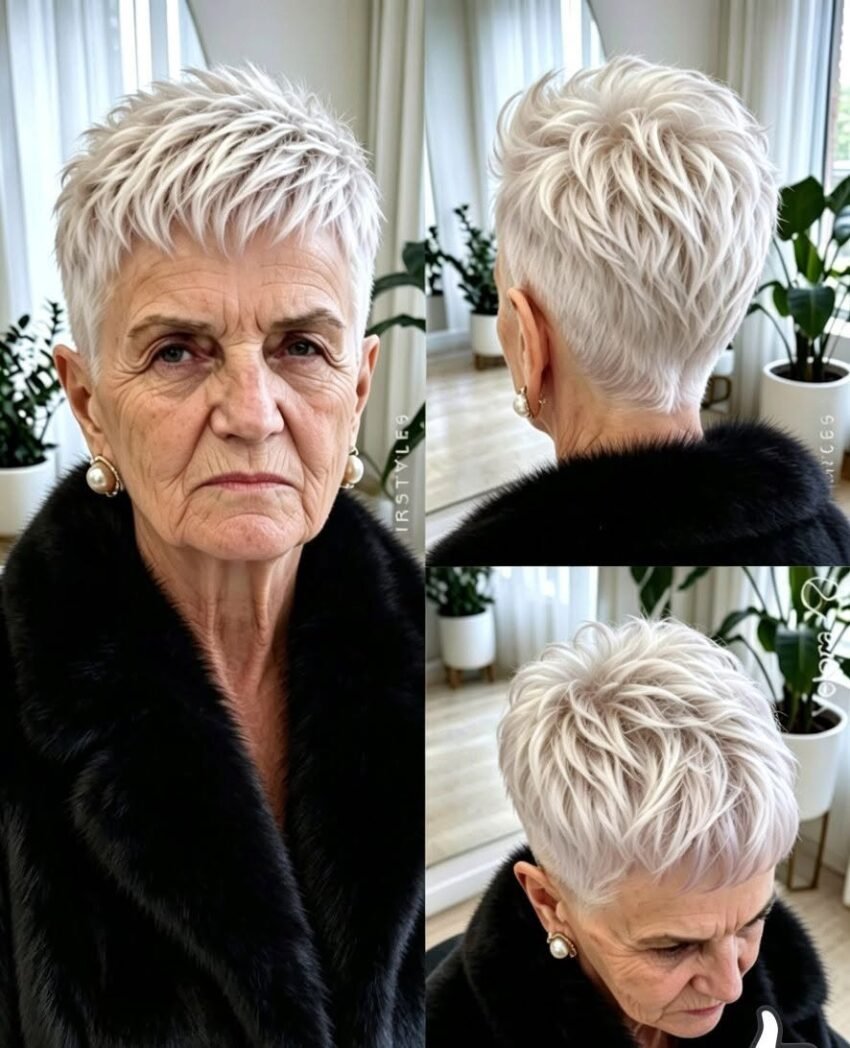
Here are professional haircut tips—whether you’re cutting your own hair at home or going to a stylist. These cover preparation, technique, and maintenance.
Before You Cut (Preparation Tips)
1. Start with Clean, Damp Hair
-
Wash and condition your hair first. Clean hair cuts more evenly, and damp hair is easier to control.
-
For curly hair: Cut when dry (curl shrinkage makes wet cutting unpredictable).
2. Use the Right Tools
| Tool | Purpose |
|---|---|
| Hair cutting shears (not household scissors) | Clean, blunt cuts without split ends |
| Clippers with guards | Even fades and short cuts |
| Thinning shears | Removing bulk, blending layers |
| Sectioning clips | Keeping hair organized |
| Spray bottle | Keeping hair damp as you work |
3. Good Lighting & Mirror Setup
-
Cut in bright natural light if possible.
-
Use two mirrors (one in front, one behind) to see the back of your head.
4. Know Your Hair Type
-
Straight hair – Shows every uneven snip. Go slow.
-
Wavy/curly – Cut less than you think. Curls spring up.
-
Fine/thin hair – Avoid heavy layering (it removes volume).
-
Thick/coarse hair – Use thinning shears to remove weight.
Cutting Techniques (For Home Cuts)
5. The “Point Cutting” Method (for soft, natural ends)
-
Instead of cutting straight across, hold shears vertically and snip into the ends at an angle.
-
This removes bulk and creates a softer, more forgiving finish (hides mistakes).
6. Never Cut Wet Curly Hair (Unless Straightening)
-
Curly hair shrinks 25–50% when dry. Cut wet curls, and they’ll be way shorter than expected.
-
Always cut curly hair dry and in its natural state.
7. Cut Less Than You Think
-
You can always take off more. You cannot glue it back.
-
Start with ½ inch less than your goal length.
8. Section Your Hair
| Section | Method |
|---|---|
| Bottom layer | Clip top layers up, cut bottom first |
| Top/crown | Cut last, using bottom layer as a guide |
| Side sections | Pull forward toward your shoulder |
9. For a Simple Trim (Long Hair)
-
Brush all hair straight back.
-
Lean head slightly forward.
-
Gather into a low ponytail at the nape of your neck.
-
Slide elastic down to desired length.
-
Cut straight across just below the elastic.
-
Release and check for evenness.
10. For Layering at Home
-
Pull hair straight up (90 degrees from your head).
-
Hold between two fingers and cut at an angle.
-
Work in small sections from back to front.
Common Mistakes to Avoid
| Mistake | Why It’s Bad | Fix |
|---|---|---|
| Using dull or kitchen scissors | Causes split ends and jagged cuts | Buy $15–$30 hair shears |
| Cutting too much at once | No way to fix unevenness | Cut ¼ inch at a time |
| Skipping sections | Uneven length, missed chunks | Use clips, check in mirror |
| Cutting bangs too short | Takes months to grow back | Cut bangs at nose length first, then go shorter |
| Not checking symmetry | One side longer | Check in mirror, pull both sides forward together |
Professional Tips for Going to a Stylist
11. Bring Reference Photos
-
Show 2–3 photos of the same haircut from different angles.
-
Avoid describing with vague words like “trim” or “a little off.” (To stylists, “trim” can mean 1 inch or 5 inches.)
12. Learn the Lingo
| You Say | Stylist Hears |
|---|---|
| “Just a trim” | Remove ½–1 inch max |
| “Take off the dead ends” | Remove split ends only (usually ¼–½ inch) |
| “Add layers” | Cut internal sections for movement |
| “Blunt cut” | Straight across, no layers |
| “Texturize” | Remove bulk, soften ends |
13. Speak in Inches, Not Feelings
Instead of: “Take off a little bit”
Say: “Please remove exactly 1 inch from the bottom.”
14. The “Point of No Return” Check
Before the stylist makes the first cut, ask:
“Can you show me where that will fall when dry?”
15. Communicate During the Cut
-
If something feels wrong, speak up immediately (politely).
-
It’s easier to fix mid-cut than after you leave.
After the Cut (Maintenance)
16. Invest in Regular Trims
-
Short hair: Every 4–6 weeks
-
Medium/long hair: Every 8–12 weeks
-
Growing out hair: Every 12–16 weeks (just dust the ends)
17. Dusting (Between Trims)
-
“Dusting” means removing only split ends (¼ inch or less).
-
You can do this yourself at home by twisting small sections and snipping any flyaway ends.
18. Cutting Your Own Bangs (The Safe Way)
-
Dry bangs, style as usual.
-
Comb straight down.
-
Twist once at the root to create tension.
-
Cut at an angle (not straight across).
-
Start longer than you want (at nose or lip level).
-
Go shorter in tiny increments.
Quick Reference: What Shears to Buy
| Budget | Recommendation |
|---|---|
| $10–$20 | Equinox or Tweezerman shears (Amazon, drugstore) |
| $30–$50 | Cricket or Fromm shears (beauty supply stores) |
| $50+ | Professional brands like Kasho, Hikari, or Mizutani |
Never use fabric scissors, kitchen shears, or craft scissors on hair. They crush and split the cuticle.
Would you like me to share:
-
How to cut your own layers (step-by-step with diagrams explained)?
-
Specific tips for curly hair, bangs, or short pixie cuts?
-
How to fix a bad home haircut before going to a professional?