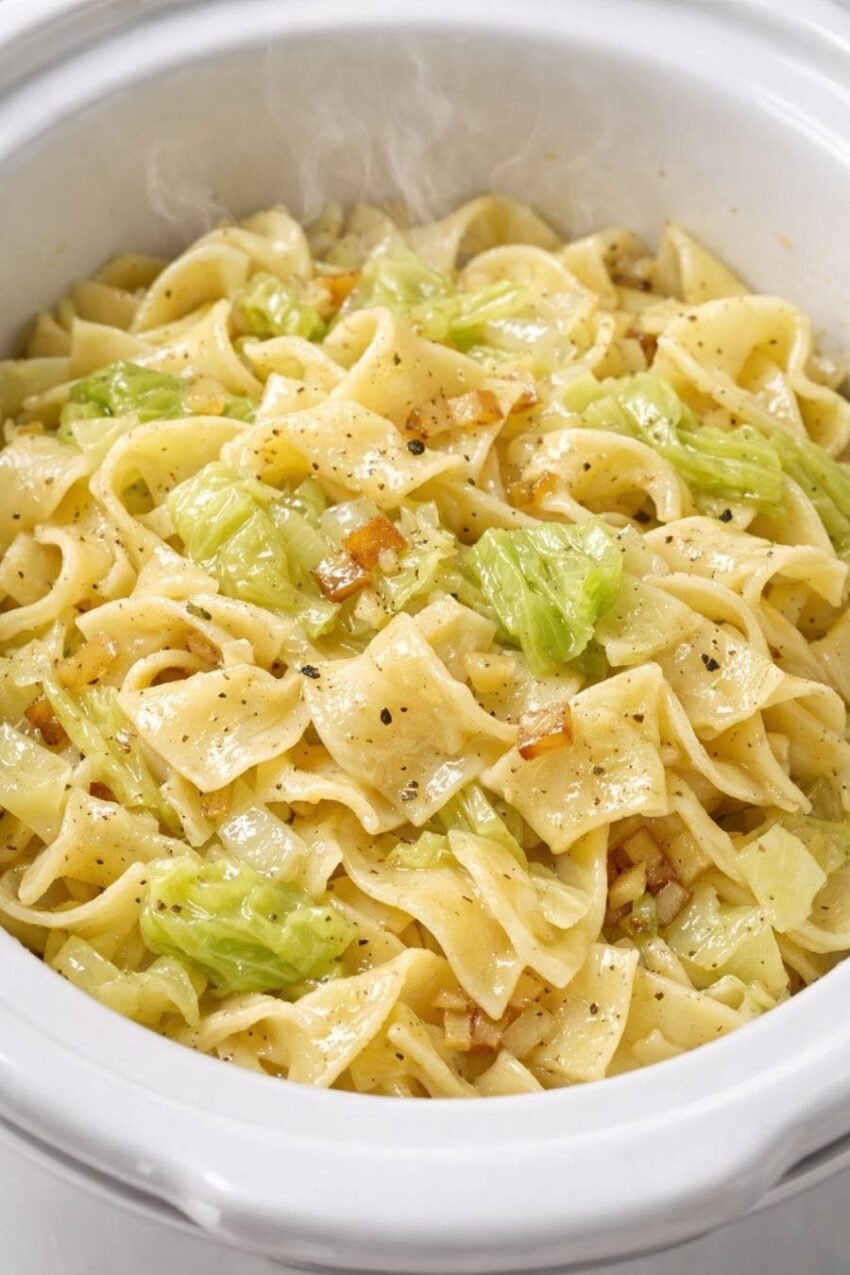
Hungarian Cabbage and Noodles (known as Káposztás Tészta or Cabbage Noodles) is a simple, comforting dish that balances sweet, savory, and sour notes. It consists of egg noodles tossed with caramelized cabbage, often enriched with butter or bacon fat, and seasoned with salt, pepper, and sometimes caraway seeds or sweet paprika.
Key Characteristics:
-
Cabbage – Shredded and slowly caramelized (sometimes with sugar) until golden-brown and sweet, then often deglazed with a splash of vinegar or lemon juice for contrast.
-
Noodles – Wide egg noodles (like csipetke homemade or store‑bought) are traditional, but you can use spaetzle, tagliatelle, or even macaroni.
-
Fat – Butter, lard, or bacon drippings add richness. Smoked bacon or Hungarian szalonna can be included for a smoky depth.
-
Seasonings – Salt, black pepper, caraway seeds (optional but classic), and sometimes a sprinkle of sweet or hot paprika.
Basic Preparation:
-
Caramelize cabbage – Sauté shredded cabbage in butter/oil over medium-low heat until very soft and browned (20–30 minutes). Adding a pinch of sugar helps browning.
-
Cook noodles – Boil egg noodles until al dente, then drain.
-
Combine – Toss noodles with caramelized cabbage. Add more butter, salt, pepper, and (if desired) caraway seeds or a splash of vinegar for tang.
-
Serve – Warm, as a main course or side dish. Often topped with black pepper and/or crumbled bacon.
Variations:
-
With bacon – Render diced bacon first, then caramelize cabbage in the rendered fat; crumble bacon on top.
-
Sweet version – Omit vinegar/lemon, add more sugar for a sweeter noodle dish (common in some Hungarian households).
-
Cheese topping – Sprinkle with crumbled túró (Hungarian quark/cottage cheese) or grated Parmesan.
-
Sour cabbage – Use sauerkraut instead of fresh cabbage for a tangier version (often called savanyú káposztás tészta).
Serving Suggestions:
-
As a main dish – Pair with a simple cucumber salad (uborkasaláta) or pickled vegetables.
-
As a side dish – Serve alongside roasted meats (pork, chicken), sausages, or a hearty goulash.
-
Garnish with fresh parsley or a dollop of sour cream.
Tips for Best Results:
-
Don’t rush the cabbage – low, slow caramelization brings out natural sweetness.
-
Use plenty of fat (butter or bacon grease) – cabbage and noodles absorb it for flavor and moisture.
-
If using paprika, add it off the heat (toasted paprika can become bitter).
-
Leftovers reheat well in a skillet with a little extra butter.
Would you like a detailed recipe, or are you looking for ways to adapt it (e.g., vegan, gluten‑free, or with a different noodle type)