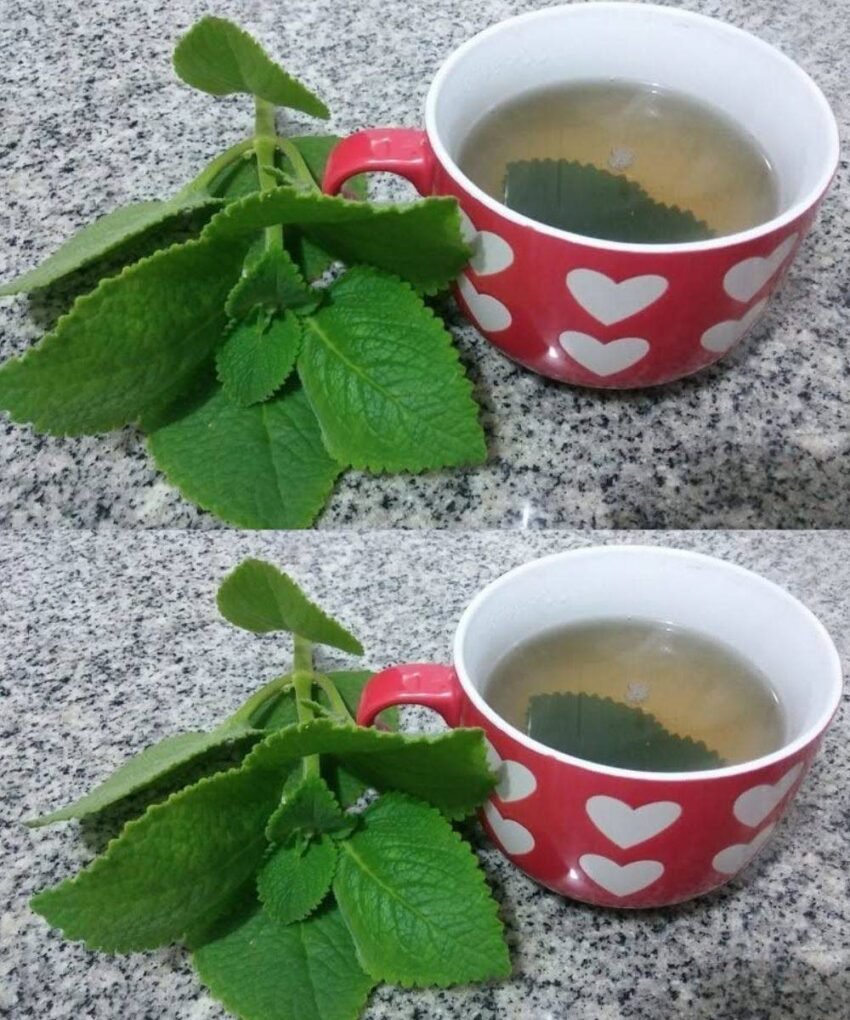
Here are 5 evidence-based reasons seniors should consider adding oregano (dried or fresh) to their diet—keeping in mind moderation and any medication interactions.
1. Rich in Antioxidants to Combat Aging
Oregano is exceptionally high in antioxidants (like rosmarinic acid and thymol), which help neutralize free radicals. For seniors, this can reduce oxidative stress linked to cognitive decline, heart disease, and arthritis.
2. Supports Respiratory Health
The natural compounds in oregano (especially carvacrol) have antimicrobial and expectorant properties. This can help clear congestion, soothe coughs, and possibly reduce the frequency of respiratory infections—common concerns for older adults.
3. May Help Regulate Blood Sugar
Some studies suggest oregano extract can improve insulin sensitivity. Adding oregano to meals may help seniors with prediabetes or type 2 diabetes better manage post-meal blood sugar spikes, though it should never replace medication.
4. Anti-Inflammatory Effects on Joints
Chronic inflammation worsens osteoarthritis and joint pain. Oregano’s polyphenols have been shown to inhibit inflammatory pathways, potentially easing discomfort without the side effects of NSAIDs (though it’s a supplement, not a substitute).
5. Boosts Digestive Function
Oregano can act as a mild carminative, reducing gas, bloating, and indigestion. For seniors with slower digestion or side effects from medications, adding oregano to soups, eggs, or roasted vegetables may improve comfort.
Important Cautions for Seniors:
-
Oregano is safe as a culinary herb, but concentrated supplements or oregano oil can interact with blood thinners (e.g., warfarin), diabetes medications, or lithium.
-
Always consult a doctor before using oregano therapeutically.
-
Start with small amounts (e.g., 1 tsp dried per day) to avoid digestive upset.