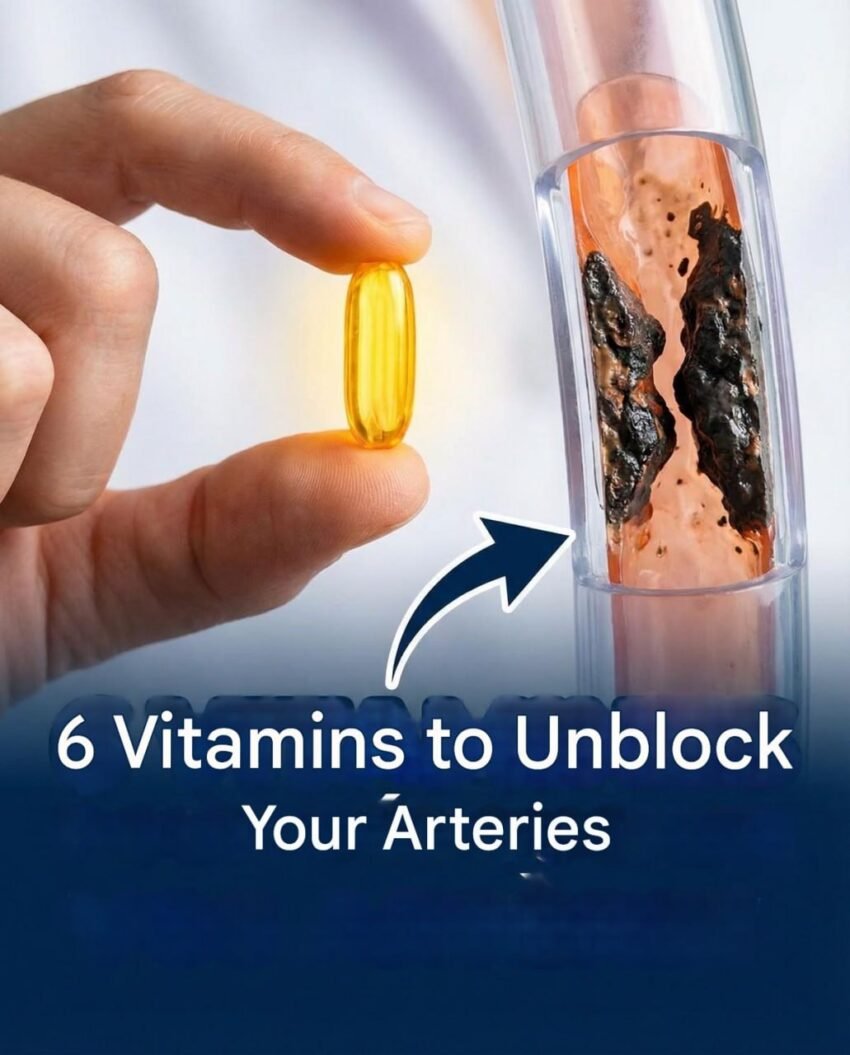
Here are 6 vitamins/nutrients most often cited in cardiology for arterial health, along with what they can realistically do:
1. Vitamin K2 (MK-7 form)
-
How it helps: Activates matrix Gla-protein (MGP), which inhibits calcium from depositing in artery walls. It directs calcium into bones and teeth instead.
-
Evidence: Human studies show higher K2 intake is linked to less arterial calcification and lower cardiovascular mortality.
-
Food sources: Natto (fermented soy), aged cheese, egg yolks, liver.
-
Note: Must be taken with Vitamin D3 for best effect (D3 increases calcium absorption; K2 directs it).
2. Vitamin C
-
How it helps: Potent antioxidant that protects LDL cholesterol from oxidation (oxidized LDL is more likely to form plaque). Also supports collagen production for artery wall integrity.
-
Evidence: Higher vitamin C levels associated with lower carotid artery intima-media thickness (a marker of early plaque). Reverses endothelial dysfunction.
-
Food sources: Citrus, bell peppers, kiwi, broccoli, strawberries.
3. Vitamin E (tocopherols, especially gamma-tocopherol)
-
How it helps: Reduces lipid peroxidation and platelet aggregation (less clot formation).
-
Evidence: Mixed results for synthetic alpha-tocopherol, but natural mixed tocopherols show anti-inflammatory benefits and may slow plaque progression in some studies.
-
Food sources: Almonds, sunflower seeds, spinach, avocado.
4. Vitamin B3 (Niacin)
-
How it helps: Raises HDL (“good”) cholesterol and lowers triglycerides and lipoprotein(a) – a genetic form of LDL that is highly atherogenic. Niacin also has direct anti-inflammatory effects on artery walls.
-
Evidence: Shown to reduce carotid intima-media thickness and coronary events, though side effects (flushing, liver stress, insulin resistance) have limited its use. Do not take high-dose niacin without medical supervision.
-
Food sources: Chicken, tuna, peanuts, mushrooms.
5. Vitamin B6, B9 (Folate), B12
-
How they help: Lower homocysteine, an amino acid that damages arterial endothelium and promotes plaque formation when elevated.
-
Evidence: Lowering homocysteine with B vitamins can slow progression of carotid plaque, especially in people with pre-existing high homocysteine. However, large trials showed no reduction in heart attacks or strokes unless baseline homocysteine was high.
-
Food sources (folate): Leafy greens, lentils, asparagus.
6. Vitamin D3
-
How it helps: Regulates renin-angiotensin system (blood pressure), reduces vascular smooth muscle cell proliferation (which thickens artery walls), and has anti-inflammatory effects. Low vitamin D is linked to more arterial stiffness and calcification.
-
Evidence: Supplementation improves endothelial function and reduces inflammatory markers, but direct “unblocking” data is lacking.
-
Source: Sunlight, fatty fish, fortified dairy. Many people need supplements.
⚠️ Important Realities
-
No vitamin removes existing hard, calcified plaque — that requires procedures like atherectomy or bypass.
-
Early soft plaque can regress with aggressive lifestyle + medication (statins, PCSK9 inhibitors) and supportive nutrients.
-
Supplements are not risk-free: High-dose niacin, vitamin E, or K2 can interact with blood thinners (warfarin, Eliquis, aspirin).
-
Foundation of arterial health:
-
Mediterranean diet (fiber, polyphenols, omega-3s)
-
Exercise (improves collateral circulation)
-
No smoking
-
Manage blood pressure, LDL, blood sugar
-
Bottom line
These 6 vitamins support arterial health and may prevent further blockages, but do not expect them to “unclog” arteries like drain cleaner. If you have known coronary artery disease, always discuss supplements with your cardiologist — some (like high-dose niacin) can do more harm than good.