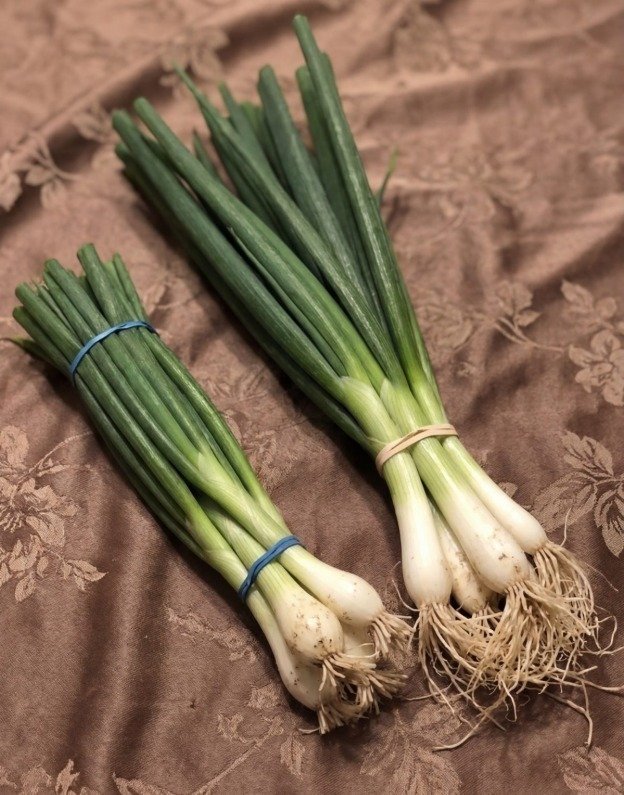
This is a classic and surprisingly common kitchen confusion — and you are absolutely right to be frustrated. Here’s the breakdown:
Are they actually different?
In short: It depends on where you are in the world and how they’re being used.
-
In most of the United States, “scallion” and “green onion” are used interchangeably. They refer to the same plant: an immature onion (usually of the Allium cepa species) harvested before the bulb has swelled. They have a long, straight green stalk and a small, slightly rounded white base.
-
To some gardeners, chefs, or in specific regions, there can be a subtle distinction. Sometimes “scallion” is used for a variety that is bred specifically not to form a bulb (like the Allium fistulosum species, or Welsh onion). “Green onion” might then refer to a young regular onion pulled early. However, in the grocery store produce section, they are almost always the same thing.
Why the strong reaction?
This likely has little to do with botany and everything to do with family dynamics, regional/cultural differences, and communication.
-
Regional/Cultural Terminology: Your mother-in-law may come from a background or region where the terms are not interchangeable in common use. To her, you brought home the “wrong” item.
-
A Matter of Culinary Specificity: In some cuisines, the very slight flavor or textural differences between a true “scallion” (no bulb) and a young “green onion” (tiny bulb) might matter for a specific dish. However, for most everyday cooking, they are substitutable.
-
It Wasn’t About the Onions: The rude reaction suggests this was a trigger for something else—perhaps a feeling of not being listened to, a generational clash, or existing tension. The onions became the symbol.
What to do now:
-
Don’t Argue Botany. Trying to prove you’re right (“Actually, they’re the same!”) will likely make things worse, as it dismisses her perspective.
-
Acknowledge Her Preference. You could say something like, “I’m sorry, I didn’t realize there was a difference where you’re from. I’ll know for next time.” This validates her without admitting you did something “wrong.”
-
Clarify for the Future. A light-hearted follow-up could be: “To make sure I get it right, can you show me a picture or describe exactly what you call a green onion?” This turns it into a learning moment.
-
Let It Go (for now). You brought home an allium. It was close enough for 99% of cooks. Her rude reaction is more about her than your shopping skills.
Bottom line: You are not crazy. In common American usage, you bought what she asked for. The conflict stems from a terminology mismatch, amplified by personal dynamics. The best path forward is graciousness, not a botanical debate.